Quotes
Barefoot conducts his seminars on his houseboat in Sausalito. It costs a hundred dollars to find out why we are on this Earth. You also get a sandwich, but I wasn't hungry that day. John Lennon had just been killed and I think I know why we are on this Earth; it's to find out that what you love the most will be taken away from you, probably due to an error in high places rather than by design.
p. 7
Do not count what you have lost. Count only what you still have.
No man can lose what he never had.
One always abandons something in retreat. Look at Napoleon at the Beresina! He abandoned his whole army.
'What happens to people that love each other?'
'I suppose they have whatever they have and they are more fortunate than others. Then one of them gets the emptiness for ever.'
Life isn't hard to manage when you've nothing to lose.
There is no lonelier man in death, except the suicide, than that man who has lived many years with a good wife and then outlived her. If two people love each other there can be no happy end to it.
He remembered his wife's even goodness during thirty years. Not anything in detail — not courtship or early raptures —but just the unvarying virtue, that seemed to him a woman's noblest quality. So many women are capricious, breaking into odd flaws of passion or frivolity. Not so his wife. Year after year, summer and winter, as bride and mother, she had been the same, he had always trusted her. Her tenderness! Her innocence! The wonderful innocence that was hers by the gift of God. Ruth knew no more of worldly wickedness and wisdom than did the flowers in her garden, or the grass in her field. Her idea of business — "Henry, why do people who have enough money try to get more money?" Her idea of politics — "I am sure that if the mothers of various nations could meet, there would be no more wars," Her idea of religion — ah, this had been a cloud, but a cloud that passed. She came of Quaker stock, and he and his family, formerly Dissenters, were now members of the Church of England. The rector's sermons had at first repelled her, and she had expressed a desire for "a more inward light," adding, "not so much for myself as for baby" (Charles). Inward light must have been granted, for he heard no complaints in later years. They brought up their three children without dispute. They had never disputed. She lay under the earth now. She had gone, and as if to make her going the more bitter, had gone with a touch of mystery that was all unlike her.
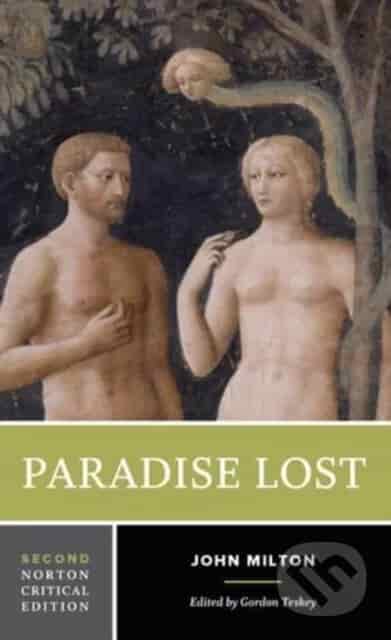
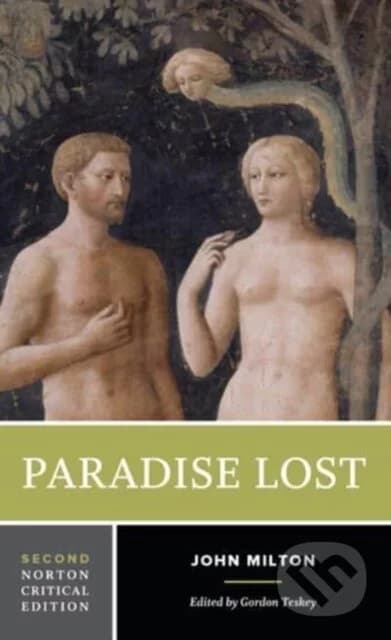
O fairest of creation! last and best
Of all God's works! creature in whom excelled
Whatever can to sight or thought be formed,
Holy, divine, good, amiable, or sweet!
How art thou lost, how on a sudden lost,
Defaced, deflowered, and now to Death devote?
Some natural tears they dropp'd, but wip'd them soon;
The world was all before them, where to choose
Their place of rest, and Providence their guide:
They hand in hand with wand'ring steps and slow
Through Eden took their solitary way.
Must I thus leave thee, Paradise?—thus leave
Thee, native soil, these happy walks and shades?
Thus with the year
Seasons return; but not to me returns
Day, or the sweet approach of ev'n or morn,
Or sight of vernal bloom, or summer's rose,
Or flocks, or herds, or human face divine;
But cloud instead, and ever-during dark
Surrounds me, from the cheerful ways of men
Cut off, and for the book of knowledge fair
Presented with a universal blank
Of Nature's works to me expunged and razed,
And wisdom at one entrance quite shut out.