Quotes
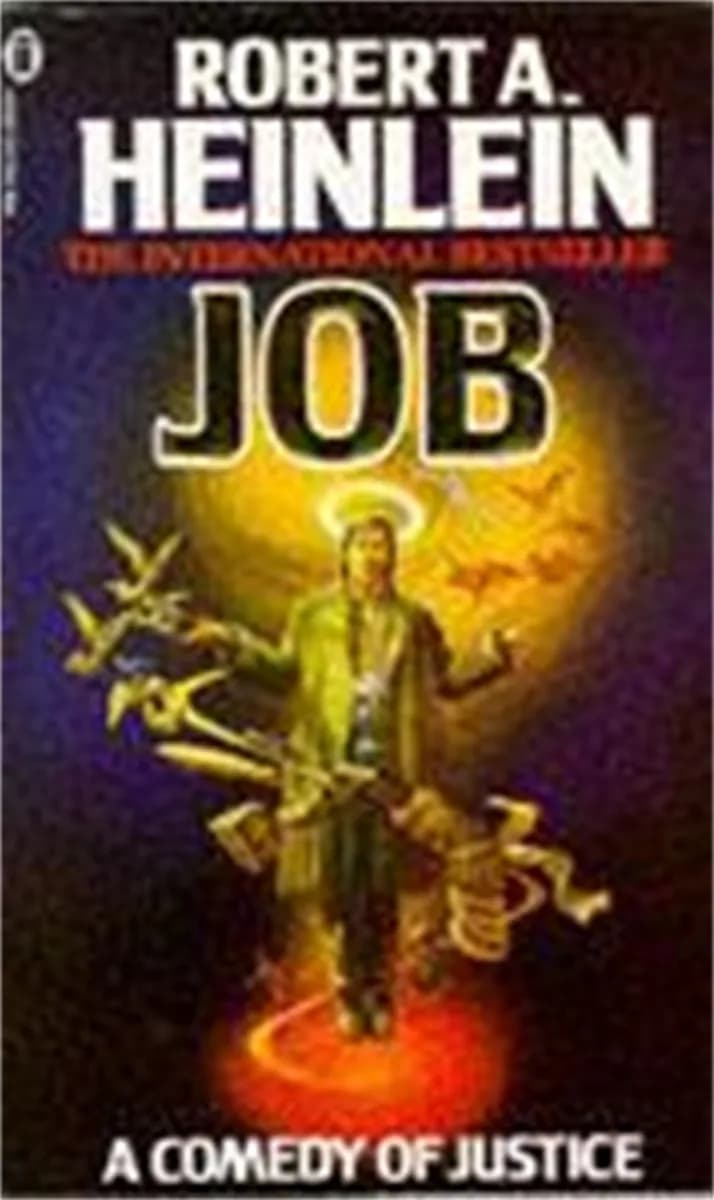
“Alec, ‘justice’ is not a divine concept; it is a human illusion. The very basis of the Judeo-Christian code is injustice, the scapegoat system. The scapegoat sacrifice runs all through the Old Testament, then it reaches its height in the New Testament with the notion of the Martyred Redeemer. How can justice possibly be served by loading your sins on another? Whether it be a lamb having its throat cut ritually, or a Messiah nailed to a cross and ‘dying for your sins.’ Somebody should tell all of Yahweh’s followers, Jews and Christians, that there is no such thing as a free lunch.”
p. 411
Am I being paid back for something I did? He asked himself. Something I don't know about or remember? But nobody pays back, he reflected. I learned that a long time ago: you're not paid back for the bad you do nor the good you do. It all comes out uneven at the end. Haven't I learned that by now, if I've learned anything?
p. 66
“Why?” Hamilton lashed out suddenly and loudly. “Why the hell did God answer that prayer? Why not some of the others? Why not Bill Laws’s?”
“God approved of your prayer,” Silky said. “After all, it’s up to Him; He has to decide how He feels about it.”
“That’s terrible.”
Silky shrugged. “Maybe so.”
“How can you live with that? You never know what’s going to happen—there’s no order, no logic.” It infuriated him that she did not object, that it seemed natural to her. “We’re helpless; we have to depend on whim. It keeps us from being people—we’re like animals waiting to be fed. Rewarded or punished.”
p. 77
It is not fair to ask of others what you are unwilling to do yourself. (15 June 1946)
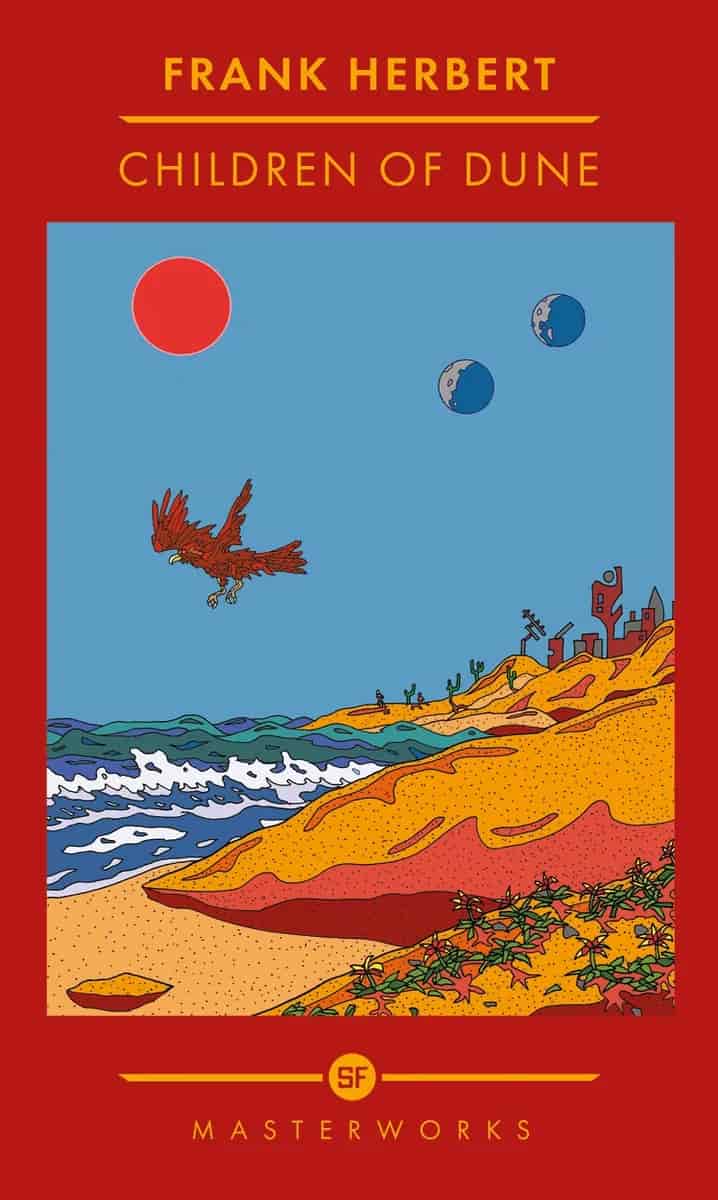
The spirit of Muad'Dib is more than words, more than the letter of the Law that arises from his name. Muad'Dib must always be that inner outrage against the complacently powerful, against the charlatans and the dogmatic fanatics. It is that inner outrage that must have its say because Muad'Dib taught us one thing above all others: that humans can endure only in a fraternity of social justice.
Muad'Dib was disinherited and he spoke for the disinherited of all time. He cried out against that profound injustice that alienates the individual from that which he was taught to believe, from that which seems to come to him as a right.
What is justice? Two forces collide. Each may have the right in his own sphere. And here's where an Emperor commands orderly solutions. Those collisions he cannot prevent — he solves. [How?], in the simplest way: he decides.
A world is supported by four things...the learning of the wise, the justice of the great, the prayers of the righteous and the valor of the brave. But all of these are as nothing... without a ruler who knows the art of ruling. Make that the science of your tradition!
Let us not rail about justice as long as we have arms and the freedom to use them.
Who's to doom, when the judge himself is dragged to the bar?
p. 600
Justice is the end of government. It is the end of civil society. It ever has been, and ever will be, pursued until it be obtained, or until liberty be lost in the pursuit.
He wanted Justice and I wanted a beer.
p. 87