Quotes
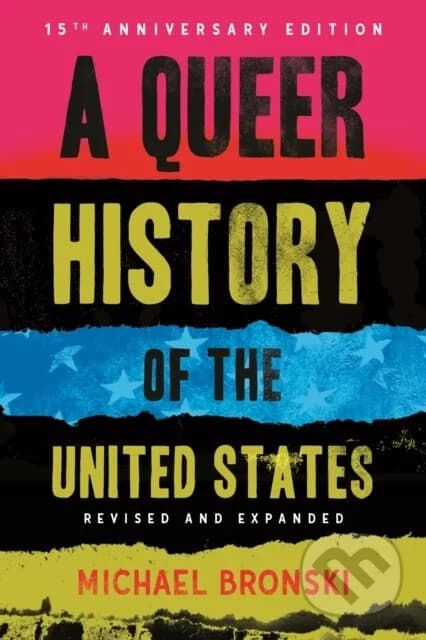
History is an ongoing process through which we understand and define ourselves and our lives.
When you feel your culture and identity endangered and ephemeral, the anchor of history and the celebration of antecedents can be empowering, and worth fighting fiercely for.
You aren't what happened to you.
In my experience, being a masked Autistic is eerily similar to being in the closet about being gay or trans. It's a painful state of self-loathing and denial that warps your inner experience. Though it often feels like being "crazy," it's not actually an internal neurosis. It's caused by society's repeated, often violent insistence you are not who you say you are, and that any evidence to the contrary is shameful.
When a masked Autistic person lacks self-knowledge or any kind of broad social acceptance, they are often forced to conceive of themselves as compartmentalized, inconsistent parts.
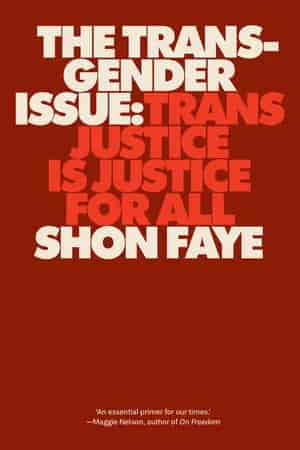
"Someone else's choice doesn't change who you are."
p. 198
We all have our own island, the one we carry with us wherever we go.
p. 167
The oral tradition is more than a record of a people’s culture. It is the creative source of their collective and individual selves.
Perhaps the most destructive aspect of alienation is that: the loss of power, of control over one’s destiny, over one’s memories, thoughts, relationships, past, and future. For in a world where no normative understandings apply, where one is perceived as futile and unwanted, where one’s perceptions are denied by acquaintance and stranger alike, where pain is the single most familiar sensation, the loss of self is experienced continually and, finally, desperately.
You can take the Indian out of Indian country but you can’t take the Indian out of the Indian.
The most important thing each of us can know is our unique gift and how to use it in the world. Individuality is cherished and nurtured, because, in order for the whole to flourish, each of us has to be strong in who we are and carry our gifts with conviction, so they can be shared with others.
p. 134
The federal government's Indian Removal policies wrenched many Native peoples from our homelands. It separated us from our traditional knowledge and lifeways, the bones of our ancestors, our sustaining plants—but even this did not extinguish identity. So the government tried a new tool, separating children from their families and cultures, sending them far away to school, long enough, they hoped, to make them forget who they were. [...] Children, language, lands: almost everything was stripped away, stolen when you weren't looking because you were trying to stay alive. In the face of such loss, one thing our people could not surrender was the meaning of land. In the settler mind, land was property, real estate, capital, or natural resources. But to our people, it was everything: identity, the connection to our ancestors, the home of our nonhuman kinfolk, our pharmacy, our library, the source of all that sustained us. Our lands were where our responsibility to the world was enacted, sacred ground. It belonged to itself; it was a gift, not a commodity, so it could never be bought or sold. These are the meanings people took with them when they were forced from their ancient homelands to new places. Whether it was their homeland or the new land forced upon them, land held in common gave people strength; it gave them something to fight for. And so—in the eyes of the federal government—that belief was a threat.
p. 16