Quotes
Have any of these thoughts been my own? Look at me—my every move seems a desperate search for someone to blame, always someone else. I’ve made being a tool of a god an excuse, a justification for not thinking, for simply reacting. And others have died for it.
p. 446
Should you ever outrun the guilt within your past, Sorceress, you will have outrun your soul. When it finds you again it will kill you.
p. 292
Ever see a cock pheasant, stiff and beautiful, ever' feather drawed an' painted, an' even his eyes drawed in pretty? An' bang! You pick him up — bloody an' twisted, an' you spoiled somepin better'n you; an' eatin' him don't never make it up to you, 'cause you spoiled somepin in yaself, an' you can't never fix it up.
"Guilt is a rope that wears thin."
p. 895
"There's no way to rule innocent men. The only power any government has is to crack down on criminals. Well, when there aren't enough criminals, one makes them. One declares so many things to be a crime that it becomes impossible for men to live without breaking laws. Who wants a nation of law-abiding citizens? What's there in that for anyone? But just pass the kinds of laws that can neither be observed nor enforced nor objectively interpreted—and you create a nation of lawbreakers—and then you cash in on guilt. Now that's the system, Mr. Rearden, that's the game, and once you understand it, you'll be much easier to deal with."
p. 436
"The worst guilt is to accept an undeserved guilt."
p. 455
"You see, Dr. Stadler, people don't want to think. And the deeper they get into trouble, the less they want to think. But by some sort of instinct, they feel that they ought to and it makes them feel guilty. So they'll bless and follow anyone who gives them a justification for not thinking. Anyone who makes a virtue—a highly intellectual virtue—out of what they know to be their sin, their weakness and their guilt."
p. 346
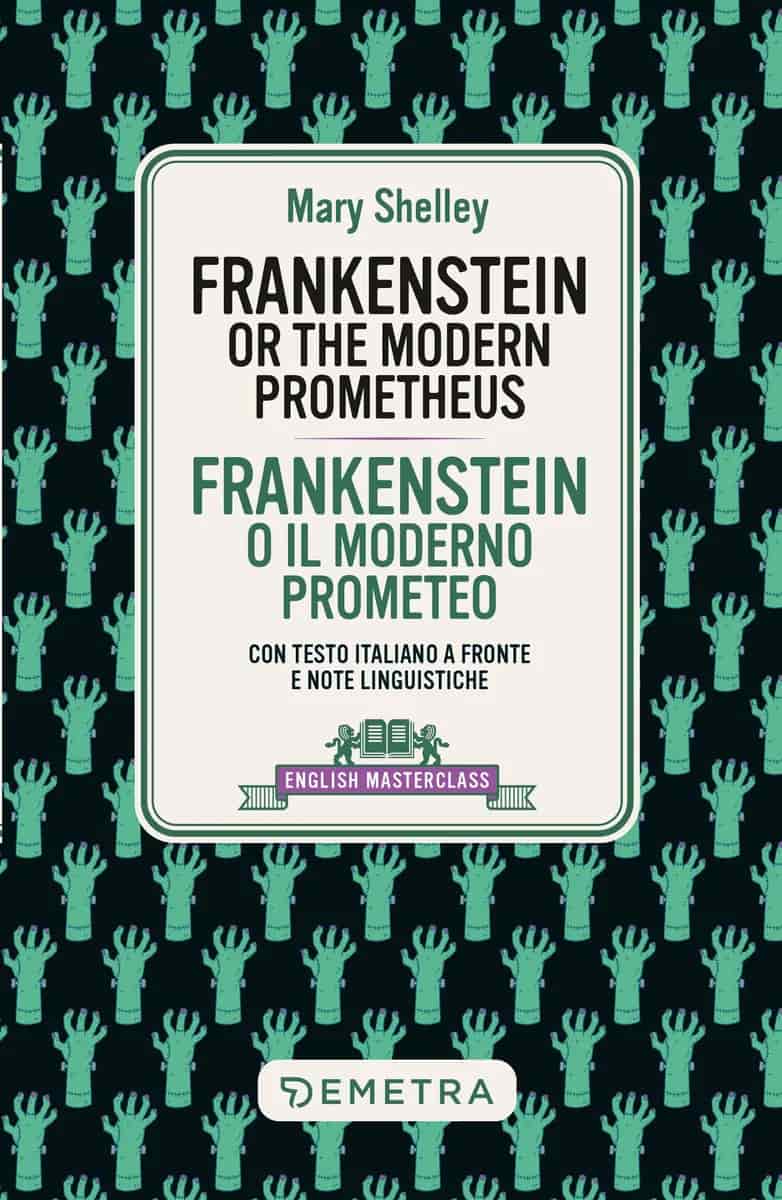
I seek not a fellow feeling in my misery. No sympathy may I ever find. When I first sought it, it was the love of virtue, the feelings of happiness and affection with which my whole being overflowed, that I wished to be participated. But now that virtue has become to me a shadow, and that happiness and affection are turned into bitter and loathing despair, in what should I seek for sympathy? I am content to suffer alone while my sufferings shall endure; when I die, I am well satisfied that abhorrence and opprobrium should load my memory. Once my fancy was soothed with dreams of virtue, of fame, and of enjoyment. Once I falsely hoped to meet with beings who, pardoning my outward form, would love me for the excellent qualities which I was capable of unfolding. I was nourished with high thoughts of honour and devotion. But now crime has degraded me beneath the meanest animal. No guilt, no mischief, no malignity, no misery, can be found comparable to mine. When I run over the frightful catalogue of my sins, I cannot believe that I am the same creature whose thoughts were once filled with sublime and transcendent visions of the beauty and the majesty of goodness. But it is even so; the fallen angel becomes a malignant devil. Yet even that enemy of God and man had friends and associates in his desolation; I am alone.
I, the miserable and the abandoned, am an abortion, to be spurned at, and kicked, and trampled on. Even now my blood boils at the recollection of this injustice.
But it is true that I am a wretch. I have murdered the lovely and the helpless; I have strangled the innocent as they slept and grasped to death his throat who never injured me or any other living thing. I have devoted my creator, the select specimen of all that is worthy of love and admiration among men, to misery; I have pursued him even to that irremediable ruin.
There he lies, white and cold in death. You hate me, but your abhorrence cannot equal that with which I regard myself.
Some years ago, when the images which this world affords first opened upon me, when I felt the cheering warmth of summer and heard the rustling of the leaves and the warbling of the birds, and these were all to me, I should have wept to die; now it is my only consolation. Polluted by crimes and torn by the bitterest remorse, where can I find rest but in death?
I did confess, but I confessed a lie. I confessed, that I might obtain absolution; but now that falsehood lies heavier at my heart than all my other sins. The God of heaven forgive me! Ever since I was condemned, my confessor has besieged me; he threatened and menaced, until I almost began to think that I was the monster that he said I was. He threatened excommunication and hell fire in my last moments if I continued obdurate. Dear lady, I had none to support me; all looked on me as a wretch doomed to ignominy and perdition. What could I do? In an evil hour I subscribed to a lie; and now only am I truly miserable.
Guilt has to be understood not only as a way of checking one’s own destructiveness, but as a mechanism for safeguarding the life of the other, one that emerges from our own need and dependency, from a sense that this life is not a life without another life. Indeed, when it turns into a safeguarding action, I am not sure it should still be called “guilt.” If we do still use that term, we could conclude that “guilt” is strangely generative or that its productive form is reparation.
p. 93