Quotes about everyday life
13 quotes · 11 authors
Quotes
Sarai had treasured every stage of Rachel’s childhood, enjoying the day-to-day normalcy of things; a normalcy which she quietly accepted as the best of life. She had always felt that the essence of human experience lay not primarily in the peak experiences, the wedding days and the triumphs which stood out in the memory like dates circled in red on old calendars, but, rather, in the unself-conscious flow of little things—the weekend afternoon with each member of the family engaged in his or her own pursuit, their crossing and connections casual, dialogues imminently (sic) forgettable, but the sum of such hours creating a synergy which was important and eternal.
p. 284
We believe that, ultimately, the most important learning occurs in the context of our day-to-day life, the aspirations we pursue, the challenges we face, and the responses we bring forth.
The world is full of abandoned meanings. In the commonplace I find unexpected themes and intensities.
"You see, when you're middle class, you have to live with the fact that history will ignore you. You have to live with the fact that history can never champion your causes and that history will never feel sorry for you. It is the price that is paid for day-to-day comfort and silence. And because of this price, all happinesses are sterile; all sadnesses go unpitied."
Routine is the death to heroism.
We few, we happy few, we band of brothers — joined in the serious business of keeping our food, shelter, clothing and loved ones from combining with oxygen.
Much of modern life is preventable chronic stress injury.
p. 64
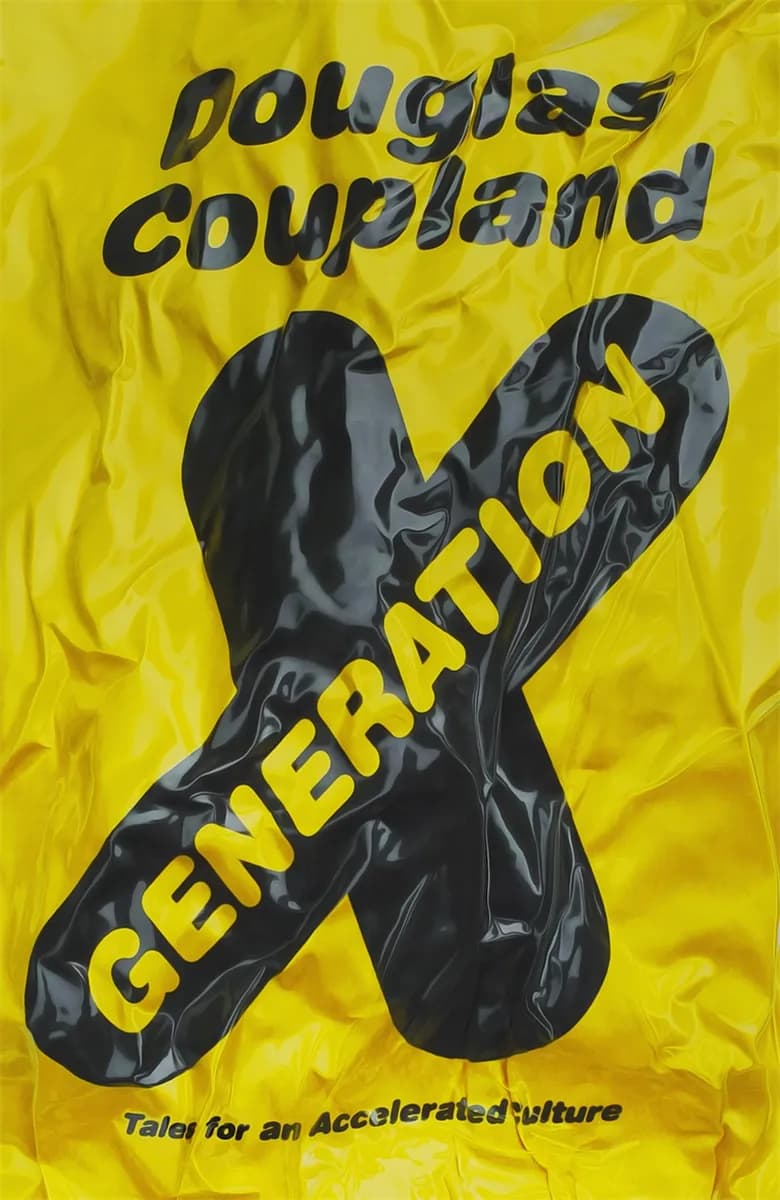
They are born, put in a box; they go home to live in a box; they study by ticking boxes; they go to what is called “work” in a box, where they sit in their cubicle box; they drive to the grocery store in a box to buy food in a box; they talk about thinking “outside the box”; and when they die they are put in a box.
p. 31
On starlight nights I used to pace up and down those long, cold streets, scowling at the little, sleeping houses on either side, with their storm-windows and covered back porches. They were flimsy shelters, most of them poorly built of light wood, with spindle porch-posts horribly mutilated by the turning-lathe. Yet for all their frailness, how much jealousy and envy and unhappiness some of them managed to contain! The life that went on in them seemed to me made up of evasions and negations; shifts to save cooking, to save washing and cleaning, devices to propitiate the tongue of gossip. This guarded mode of existence was like living under a tyranny. People's speech, their voices, their very glances, became furtive and repressed. Every individual taste, every natural appetite, was bridled by caution. The people asleep in those houses, I thought, tried to live like the mice in their own kitchens; to make no noise, to leave no trace, to slip over the surface of things in the dark.
The years seemed to stretch before her like the land: spring, summer, autumn, winter, spring; always the same patient fields, the patient little trees, the patient lives; always the same yearning; the same pulling at the chain — until the instinct to live had torn itself and bled and weakened for the last time, until the chain secured a dead woman, who might cautiously be released.
If your daily life seems poor, do not blame it; blame yourself, tell yourself that you are not poet enough to call forth its riches; for to the creator there is no poverty and no poor indifferent place.
There is nothing so unnatural as the commonplace.
p. 191