Quotes
The day was springlike, the sun quickly burning away the night fog. “My heart tells me I had just as well talk to the clouds and wind,” he said, “but I want to say that life is sweet, love is strong; man fights to save his life; man also kills to win his heart’s desire; that is love. Death is mighty bad. Death will come to us soon enough.”
To risk death willingly, to venture forth knowing that in so doing you may cease to exist is an unnatural act. To take the life of a fellow human being or to watch your closest comrades die exacts a profound emotional toll.
p. 31
Do you remember the moment you first realize you were mortal? That no matter what happened, you would never live long enough to read every book you wanted to read? That you’d die having accomplished only a fraction of your goals?
p. 105
“Death,” the philosopher Ludwig Wittgenstein once wrote, “is not an event in life.” He meant, maybe (for it’s hard to be sure—Wittgenstein was rather titanically cryptic), that being dead is not something we actually experience and that since we aren’t conscious of a nonliving state it is literally meaningless, so instead of spending our lives worrying about the future we should look at each instant as an eternity. We should live in the moment.
Perhaps this is true, and wise, but in an ordinary sense Wittgenstein was completely wrong. Death is the event in life. It is our chief organizing principle. It’s why we rush and why we dawdle, why we better up our bosses and fawn over our children, why we like both fast cars and fading flowers, why we write poetry, why sex thrills us. It’s why we wonder why we are here.
p. 43
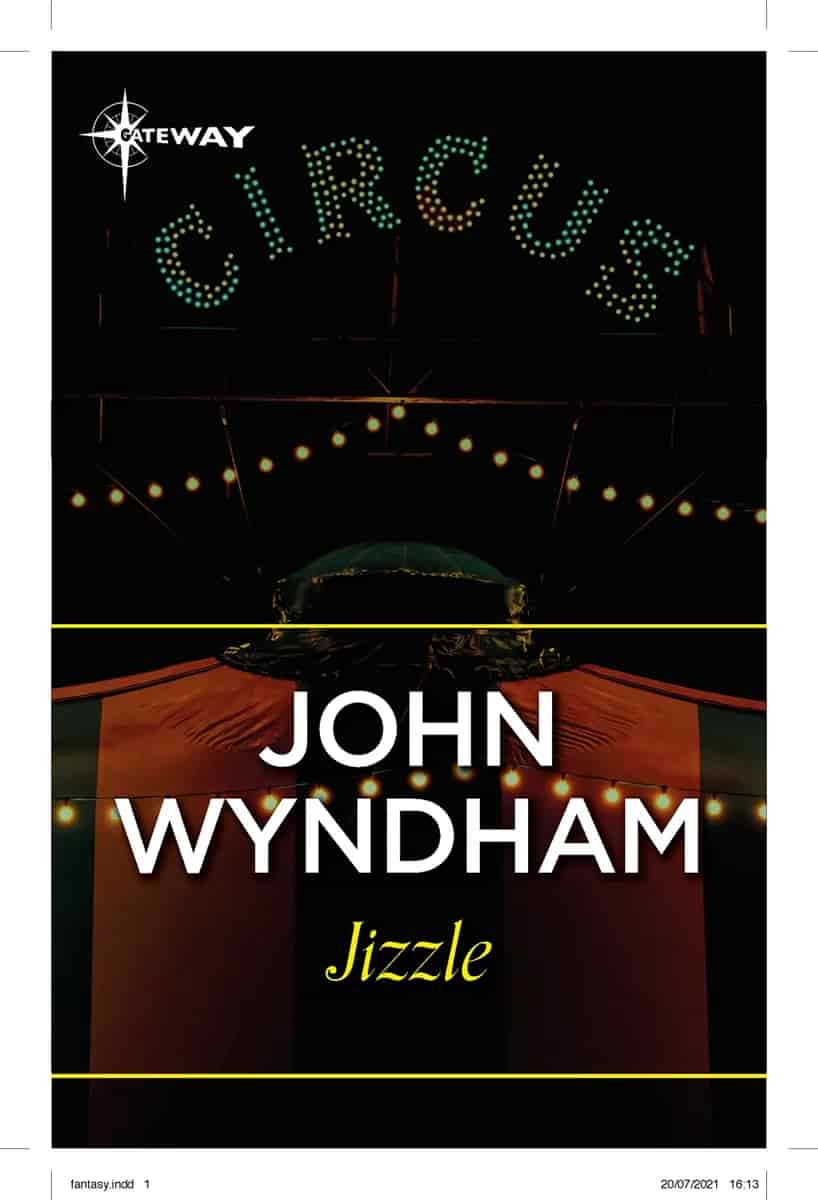
'In the end, defeat, and the cold, must come. First to the system, then the galaxy, then the universe, and the rest will be silence. Not to admit that is a foolish vanity.' She paused. 'Yet one grows flowers because they are lovely - not because one wishes them to live for ever.'
p. 160
It was so absurd to die at sixty, anyway, and, as he saw it, it would be even more wasteful to die at eighty. A scheme of things in which the wisdom acquired in living was simply scrapped in this way was, to say the least, grossly inefficient. What did it mean? That somebody else would have to go through the process of learning all that life had already taken sixty years to teach him; and then be similarly scrapped in the end. No wonder the race was slow in getting anywhere—if, indeed, it were getting anywhere—with this cat-and-mouse, ten-forward-and-nine-back system.
p. 18
"I see death as the worm's opportunity. It is defeat. You can dress it as you like, with drama, or glory, or pomposity, and perhaps deceive yourself for the critical moment - but, nevertheless, the same worm comes - it is defeat..."
p. 113
"Dying," observed the doctor, "is such a very ordinary thing to do."
p. 202
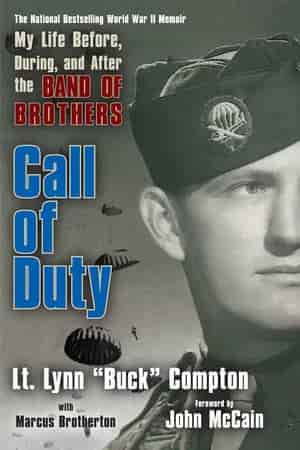
As young people, my generation would see a lot of death. I don't think I ever grew accustomed to it. It came in darkness and fervor, by our airplanes, rifles, parachutes, and tanks. But there was something about that first death I experienced the summer of 1939 when I was just eighteen, years before the war, that stayed with me so strongly. Those first few seasons after my father died were dark indeed.
p. 54
I know about death…Our country is haunted by its dead, weighed down by loss and remembrance.
But my house, though protected
with charms, can't block the spell mortality
has cast... I turn thirty-three.
The Poet’s funeral had turned into the symbolic burial of freedom. (p441)