Quotes
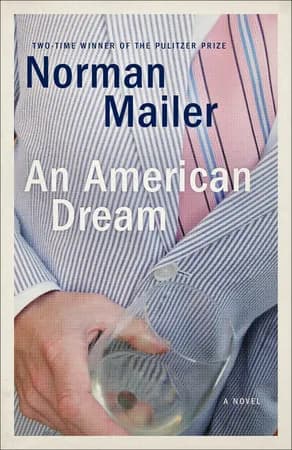
When you leap from a cliff, it is too late for anything but holding to your courage. And hoping there's a haywain at the bottom to land in.
There is no other difference between those who are called courageous and those who are branded craven than that the second are fearful before the danger and the first after.
If you're going to do something stupid—and we all do—it might as well be a brave and foolish thing.
I could almost smell her fear... Why did it bother me so much? Because she and I were the only women here, and we had to be better than the men. Braver, quicker, whatever. It was a rule for playing with the big boys.
You will never lose your nerve. Your life, probably, but never your nerve."
I wanted you to see what real courage is, instead of getting the idea that courage is a man with a gun in his hand. It's when you know you're licked before you begin, but you begin anyway and see it through no matter what. You rarely win, but sometimes you do.
It was times like these when I thought my father, who hated guns and had never been to any wars, was the bravest man who ever lived.
Has joy any survival value in the operations of evolution? I suspect that it does; I suspect that the morose and fearful are doomed to quick extinction. Where there is no joy there can be no courage; and without courage all other virtues are useless.
p. 113
We must decide what we value and decide what is worth fighting for and then–the most important part–we must fight for it.
p. 62
Comfortless was my religion, anxiety of the anxieties, for I believed God was not love, but courage. Love came only as a reward.
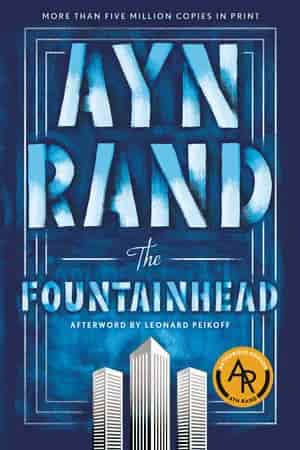
"Thousands of years ago, the first man discovered how to make fire. He was probably burned at the stake he had taught his brothers to light. He was considered an evildoer who had dealt with a demon mankind dreaded. But thereafter men had fire to keep them warm, to cook their food, to light their caves. He had left them a gift they had not conceived and he had lifted darkness off the earth. Centuries later, the first man invented the wheel. He was probably torn on the rack he had taught his brothers to build. He was considered a transgressor who ventured into forbidden territory. But thereafter, men could travel past any horizon. He had left them a gift they had not conceived and he had opened the roads of the world.
That man, the unsubmissive and first, stands in the opening chapter of every legend mankind has recorded about its beginning. Prometheus was chained to a rock and torn by vultures—because he had stolen the fire of the gods. Adam was condemned to suffer—because he had eaten the fruit of the tree of knowledge. Whatever the legend, somewhere in the shadows of its memory mankind knew that its glory began with one and that that one paid for his courage.
Throughout the centuries there were men who took first steps down new roads armed with nothing but their own vision. Their goals differed, but they all had this in common: that the step was first, the road new, the vision unborrowed, and the response they received—hatred. The great creators—the thinkers, the artists, the scientists, the inventors—stood alone against the men of their time. Every great new thought was opposed. Every great new invention was denounced. The first motor was considered foolish. The first airplane was considered impossible. The power loom was considered vicious. Anesthesia was considered sinful. But the men of unborrowed vision went ahead. They fought, they suffered and they paid. But they won."
p. 736
"Why do they always teach us that it's easy and evil to do what we want and that we need discipline to restrain ourselves? It's the hardest thing in the world—to do what we want. And it takes the greatest kind of courage. I mean, what we really want. "
p. 650