Quotes about change
408 quotes · 242 authors
Quotes
People arrive at a factory and perform a totally meaningless task from eight to five without question because the structure demands that it be that way. There’s no villain, no ‘mean guy’ who wants them to live meaningless lives, it’s just that the structure, the system demands it and no one is willing to take on the formidable task of changing the structure just because it is meaningless. But to tear down a factory or to revolt against a government or to avoid repair of a motorcycle because it is a system is to attack effects rather than causes; and as long as the attack is upon effects only, no change is possible. The true system, the real system, is our present construction of systematic thought itself, rationality itself, and if a factory is torn down but the rationality which produced it is left standing, then that rationality will simply produce another factory. If a revolution destroys a systematic government, but the systematic patterns of thought that produced that government are left intact, then those patterns will repeat themselves in the succeeding government. There’s so much talk about the system. And so little understanding
I think that if we are going to reform the world, and make it a better place to live in, the way to do it is not with talk about relationships of a political nature, which are inevitably dualistic, full of subjects and objects and their relationship to one another; or with programs full of things for other people to do. I think that kind of approach starts it at the end and presumes the end is the beginning. Programs of a political nature are important end products of social quality that can be effective only if the underlying structure of social values is right. The social values are right only if the individual values are right. The place to improve the world is first in one's own heart and head and hands, and then work outward from there. Other people can talk about how to expand the destiny of mankind. I just want to talk about how to fix a motorcycle.
In general, human societies are not innovative. They are hierarchical and ritualistic. Suggestions for change are greeted with suspicion: they imply an unpleasant future variation in ritual and hierarchy: an exchange of one set of rituals for another, or perhaps for a less structured society with fewer rituals. And yet there are times when societies must change. “The dogmas of the quiet past are inadequate for the stormy present” was Abraham Lincoln’s description of this truth. Much of the difficulty in attempting to restructure American and other societies arises from this resistance by groups with vested interests in the status quo. Significant change might require those who are now high in the hierarchy to move downward many steps. This seems to them undesirable and is resisted.
p. 199
All is in a man's hands and he lets it all slip from cowardice, that's an axiom. It would be interesting to know what it is men are most afraid of. Taking a new step, uttering a new word is what they fear most.
'Time does not tarry ever,' he said; 'but change and growth is not in all things and places alike. For the Elves the world moves, and it moves both very swift and very slow. Swift, because they themselves change little, and all else fleets by: it is a grief to them. Slow, because they do not count the running years, not for themselves. Yet beneath the Sun all things must wear to an end at last.'
It is not the end. There is no end. It is simply the end of the old times, Loki, and the beginning of the new times. Rebirth always follows death. You have failed.
p. 278
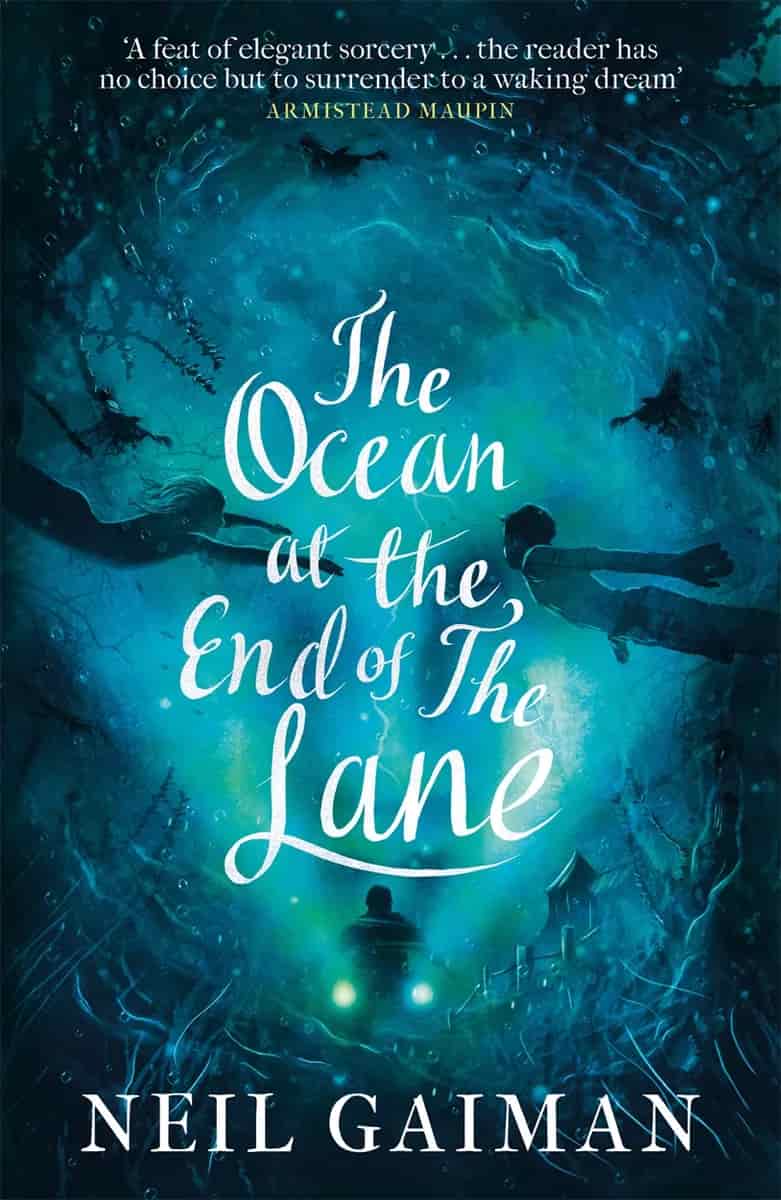
“Will she be the same?”
The old woman guffawed, as if I had said the funniest thing in the universe. “Nothing’s ever the same,” she said. “Be it a second later or a hundred years. It’s always churning and roiling. And people change as much as oceans.”
p. 218
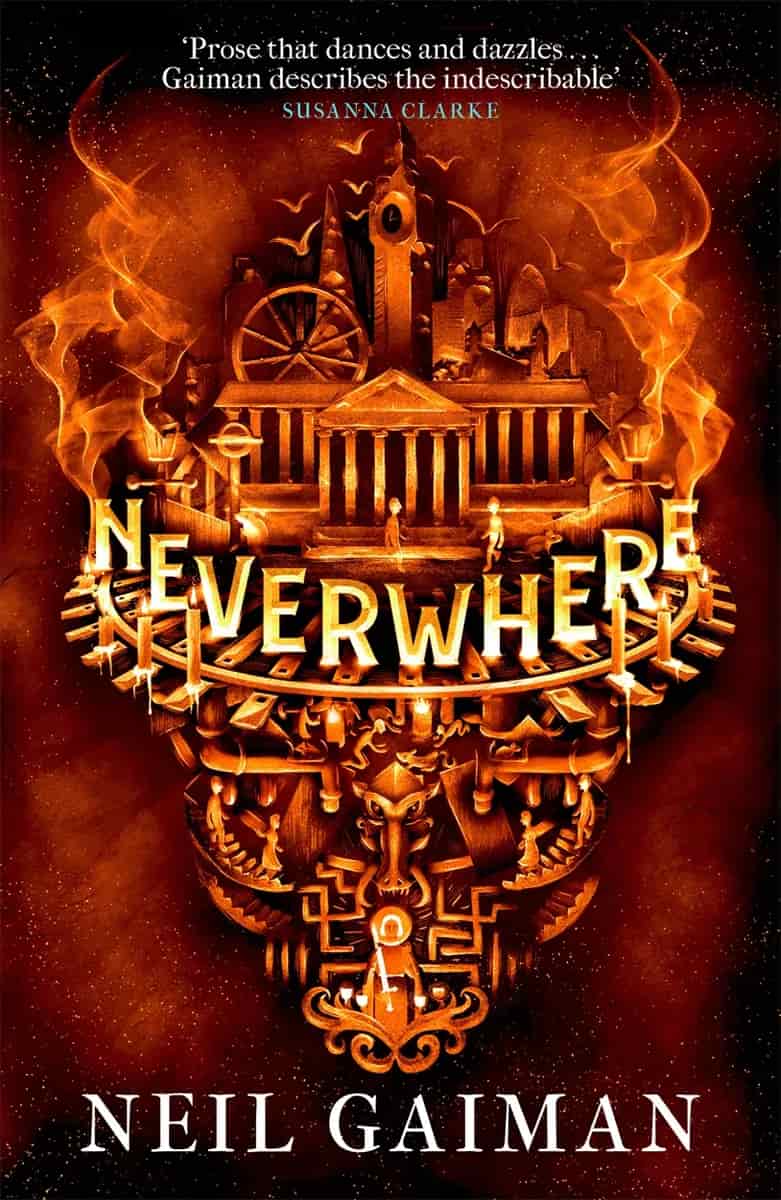
"Some things may change," said Wednesday, abruptly. "People, however … people stay the same. Some grifts last forever, others are swallowed soon enough by time and by the world."
He had gone beyond the world of metaphor and simile into the place of things that are, and it was changing him.
Every limit is a beginning as well as an ending. Who can quit young lives after being long in company with them, and not desire to know what befell them in their after-years? For the fragment of a life, however typical, is not the sample of an even web: promises may not be kept, and an ardent outset may be followed by declension; latent powers may find their long-waited opportunity; a past error may urge a grand retrieval.
It is never too late to be what you might have been.
The natur o' things doesn't change, though it seems as if one's own life was nothing but change. The square o' four is sixteen, and you must lengthen your lever in proportion to your weight, is as true when a man's miserable as when he's happy; and the best o' working is, it gives you a grip hold o' things outside your own lot".