Quotes
...Captain Longfellow—who, like most Englishmen, was kinder to animals than to people... (p31)
“Do you realize that you will not only wreck your civilization, such as it is, and kill most of your people; but that you will also poison the fish in your rivers, the squirrels in your trees, the flocks of birds, the soil, the water? There are times when you seem, to us, like apes loose in a museum, carrying knives, slashing the canvases, breaking the statuary with hammers.”
For a moment Bryce did not speak. Then he said, “But it was human beings who painted the pictures, made the statues.”
“Only a few human beings,” Newton said. “Only a few.”
p. 159
[W]e call them dumb animals, and so they are, for they cannot tell us how they feel, but they do not suffer less because they have no words.
p. 231
God had given men reason, by which they could find out things for themselves, but He had given animals knowledge which did not depend on reason, and which was much more prompt and perfect in its way, and by which they had often saved the lives of men.
p. 61
[W]e shall all have to be judged according to our works, whether they be towards man or towards beast.
p. 56
Oh! if people knew what a comfort to horses a light hand is.
p. 47
[T]here is no religion without love, and people may talk as much as they like about their religion, but if it does not teach them to be good and kind to man and beast, it is all a sham.
p. 66
[A] bad-tempered man will never make a good-tempered horse.
p. 36
The animals are our brothers; another nation living on earth, growing up beside us. They are not lesser beings; they are selves in different forms. Some of them have flippers, some wings for motivation; some have two propelling legs, some have four; we have only two. Some have thumbs, some have claws. We have manufactured claws and worse. We have no rights over these creatures; yet we exploit and imprison them. They should run wild and be on their own but we have corrupted them, enslaved them and modified their behavior and opportunities. Some of them like it, some don't. We have made friends of some and slaves of others.
p. 162
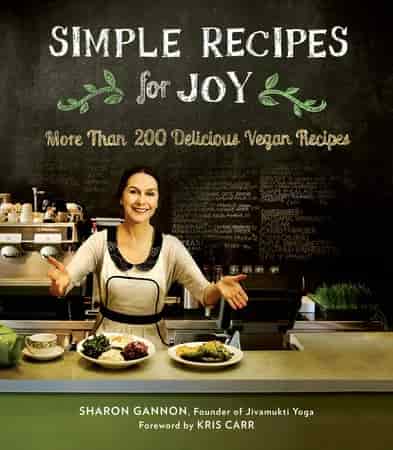
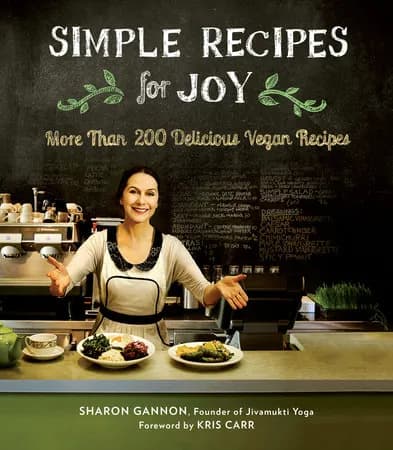
Yoga teaches that whatever we want in life we can have if we are willing to provide it for others. So if yogis want to be free, they understand that to deprive others of freedom will ultimately not benefit their project—to be free themselves. Following that logic, yogis abhor slavery and examine their own lives to find ways that they themselves might be condoning slavery and then eradicate those ways of acting. The fact is that animals who are raised for food are slaves. Making kind choices when it comes to the food we eat is one of the most basic ways to begin to ensure our own happiness and freedom. The cause for our own happiness, health, and freedom lies in how happy and free we can make the lives of others. The definition of others includes other animals.
98 percent of the animals raised for food suffer horrifically on factory farms before being slaughtered. Every time you eat a vegan meal, you're voting for something different.
Cruelty to animals is an enormous injustice; so is expecting those on the lowest rung of the economic ladder to do the dangerous, soul-numbing work of slaughtering sentient beings on our behalf.