Leafy Quotes
Recently added
The newest book quotes in the Leafy Quotes collection — passages readers have just added, each with its author, book and the page it came from.
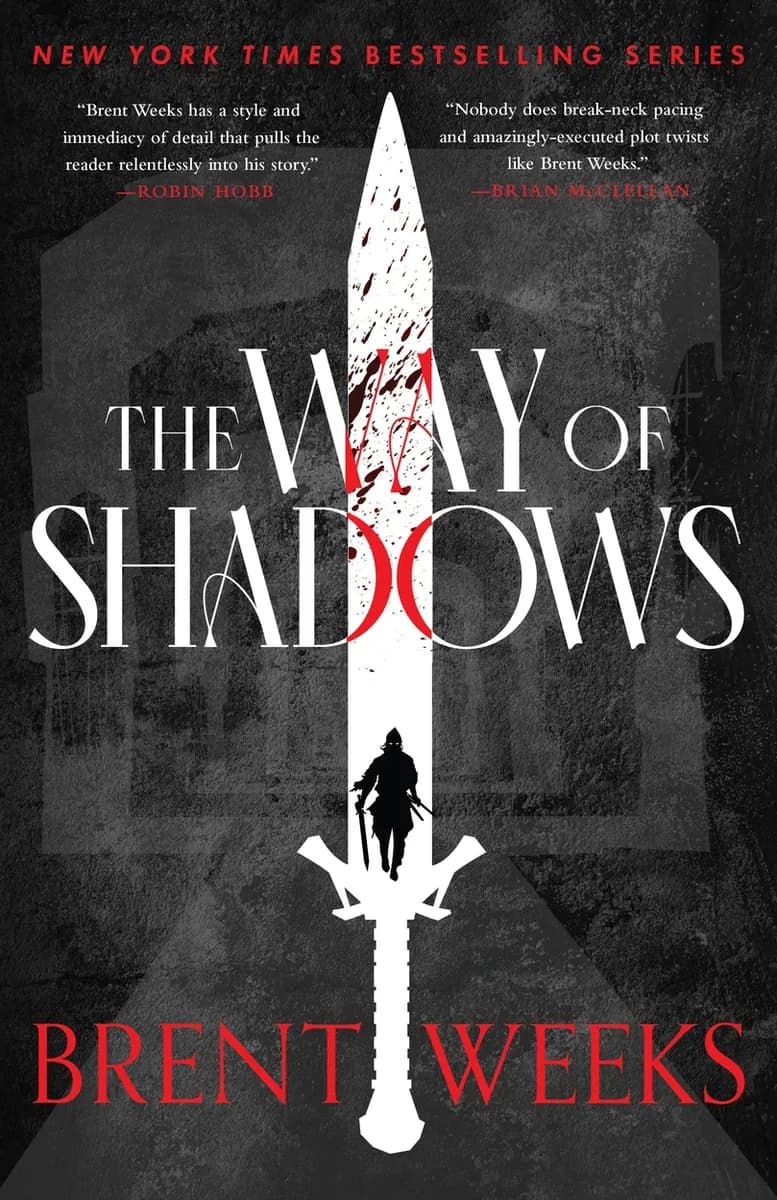
“Here I thought they were invincible.”
“They’re immortal. It’s not the same thing.”
p. 451
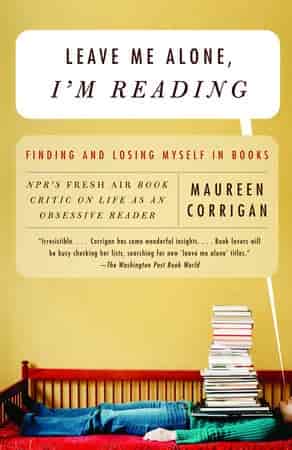
As someone from our adoption agency said to us before we left, “You may have been waiting for your daughter for a long time, but she has not been waiting for you.”
p. 48
Man, are you capable of being just? It is a woman who poses the question, you will not deprive her of that right at least. Tell me, what gives you sovereign over empire to oppress my sex? Your strength? Your talents?
You’re either being terrifically subtle or making no sense at all.
p. 100
I’m trying to do what’s right, whether or not that measures up with what men call honorable. There’s a gap between those, you know?
p. 277
Books just don’t register with this crowd. They think I lack common sense; I think they lack a part of their souls.
p. 57
So he wasn’t dead. That was probably supposed to be a good thing.
p. 171
In our daily lives, where we’re bombarded by the fake and the trivial, reading serves as a way to stop, shut out the noise of the world, and try to grab hold of something real, no matter how small.
Agon wondered what god Cenaria had offended to deserve such a king.
p. 158
“I used to believe a lot of things. That doesn’t make them true,” Durzo said.
p. 524
I don’t believe in identity politics in literature—or in life much, either. Indeed the current scholarly enchantment with identity politics strikes me as a more intellectual version of the warning oft heard around Sunnyside when I was growing up: “Stick with your own kind.” Family and cultural origins are crucial to self-definition, but they’re not the end of the story. I certainly don’t think that we readers only or even chiefly enjoy or understand books whose main characters mirror us. In fact, the opportunity to become who we are decidedly not—whether it’s Amis’s Dixon or Philip Roth’s Portnoy or Ellison’s Invisible Man or Kafka’s beetle—is one of the greatest gifts reading offers. Women readers get to serve on that floating boy’s club, the Pequod; male readers get to step into Elizabeth Bennet’s shoes and teach Mr. Darcy the dance of humility; readers of either gender who are not African American get to crawl toward freedom alongside Toni Morrison’s Sethe. One of the most magical and liberating things about literature is that it can transport us readers into worlds totally unlike our own.
p. 70
Cruelty walked the Warrens holding hands with poverty and rage.
p. 30