Leafy Quotes
Recently added
The newest book quotes in the Leafy Quotes collection — passages readers have just added, each with its author, book and the page it came from.
“How is it possible for me to thank God in my heart for the food he gives me and for life, while every morsel I eat I earn with my toil and even suffering? There may be a Providence for the rich man, but every poor man must be his own Providence. As for the value of life, we poor folks don’t live for ourselves at all; we live for other people. I often wonder if the rich man who owns great blocks of stock in the road and reckons his wealth in the millions does not sometimes think, as he sits at his well-filled table and looks at the happy faces of his children, of the poor car driver who toils for his benefit for a dollar and ninety cents a day, and is lucky if he tastes meat twice a week and can give the little ones at home warm clothes and blankets for the winter.”
p. 252
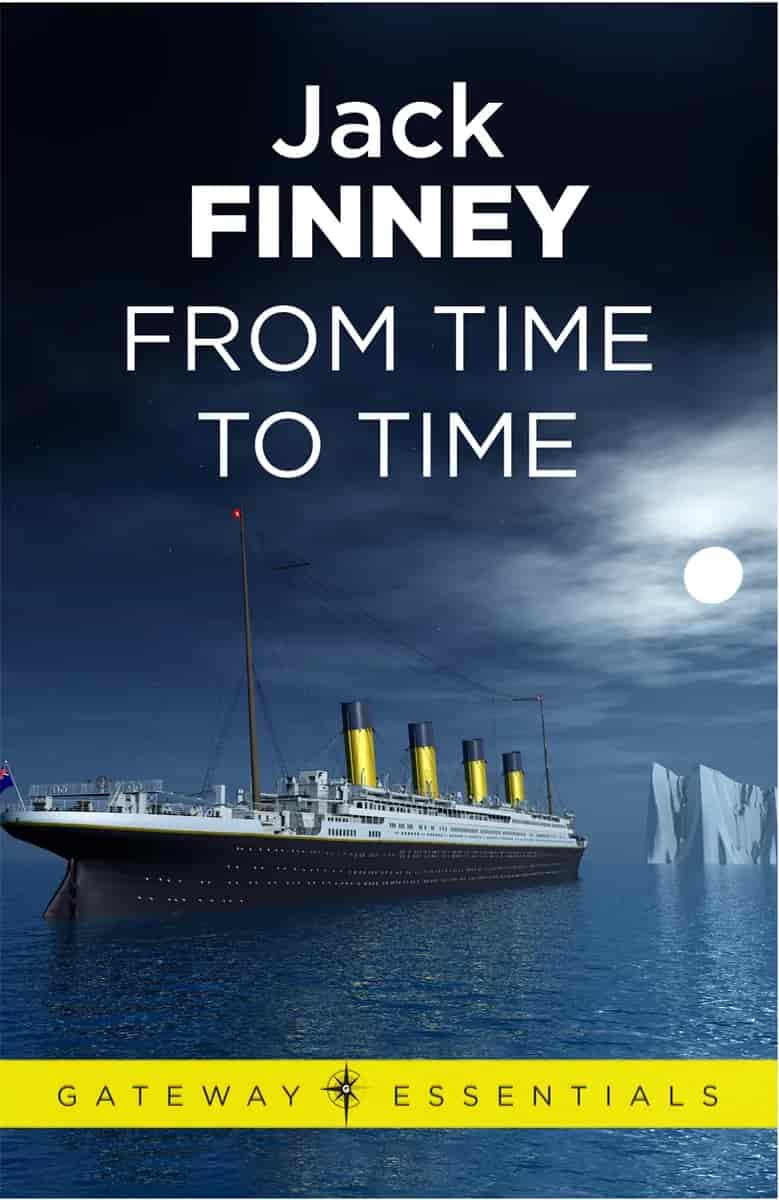
“Spare me the nostalgia.”
“I hate that word. You know who uses it mostly? Time patriots. Same people who live in the best country in the world. Must be the best because that’s where they live. And they live in the best of times; has to be best because it’s their lifetime. You even suggest there just might have been better times than here and now, and it’s ‘nostalgia, nostalgia.’ Don’t even know what the word means. Means overly sentimental, for crysakes.”
p. 58
We miss so much out of life if we don't love. The more we love the richer life is—even if it is only some little furry or feathery pet.
Life had taught her to be brave, to be patient, to love, to forgive.
Every moment of life is to be lived calmly, mindfully, as if it were the last, to insure that the most is made of the precious human state — the only one in which enlightenment is possible. And only the enlightened can recall their former lives; for the rest of us, the memories of past existences are but glints of light, twinges of longing, passing shadows, disturbingly familiar, that are gone before they can be grasped, like the passage of that silver bird on Dhaulagiri.
p. 85
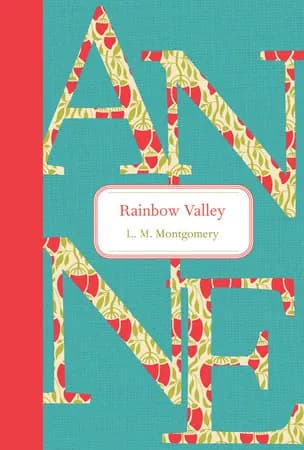
"I wended my way to the graveyard this evening," wrote Anne to Gilbert after she got home. "I think 'wend your way' is a lovely phrase and I work it in whenever I can. It sounds funny to say I enjoyed my stroll in the graveyard but I really did. Miss Courtaloe's stories were so funny. Comedy and tragedy are so mixed up in life, Gilbert. The only thing that haunts me is that tale of the two who lived together fifty years and hated each other all that time. I can't believe they really did. Somebody has said that 'hate is only love that has missed its way.' I feel sure that under the hatred they really loved each other . . . just as I really loved you all those years I thought I hated you . . . and I think death would show it to them."
It is never quite safe to think we have done with life. When we imagine we have finished our story fate has a trick of turning the page and showing us yet another chapter.
Be the day short or be the day long, at last it weareth to evening song.
Anne, do you know, I believe I shall always love you after this. I don't think I'll ever feel that dreadful way about you again. Talking it all out seems to have done away with it, somehow. It's very strange—and I have thought it so real and bitter. It's like opening the door of a dark room to show some hideous creature you've believed to be there—and when the light steams in your monster turns out to have been just a shadow, vanishing when the light comes. It will never come between us again.
But feeling is so different from knowing. My common sense tells me all you can say, but there are times when common sense has no power over me. Common nonsense takes possession of my soul.
Libraries, as spaces, need to continue to inspire the public to dream big and to think great thoughts. Cities, towns, and academic communities of all shapes and sizes need the free, open public spaces that libraries–and only libraries–provide.
p. 83
"I wouldn't give up altogether," said Mr. Harrison reflectively. "I'd write a story once in a while, but I wouldn't pester editors with it. I'd write of people and places like I knew, and I'd make my characters talk everyday English; and I'd let the sun rise and set in the usual quiet way without much fuss over the fact. If I had to have villains at all, I'd give them a chance, Anne—I'd give them a chance. There are some terrible bad men in the world, I suppose, but you'd have to go a long piece to find them—though Mrs. Lynde believes we're all bad. But most of us have got a little decency somewhere in us."