Quotes about greed
126 quotes · 85 authors
Quotes
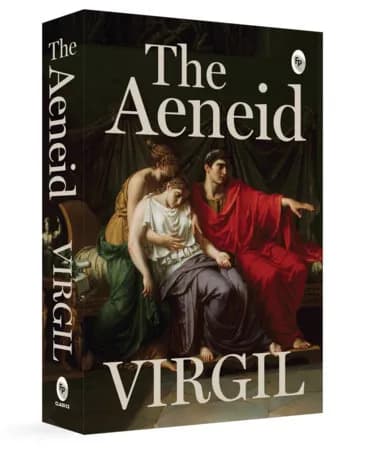
Quid non mortalia pectora cogis,
Auri sacra fames?
There is no credulity so eager and blind as the credulity of covetousness, which, in its universal extent, measures the moral misery and the intellectual destitution of mankind.
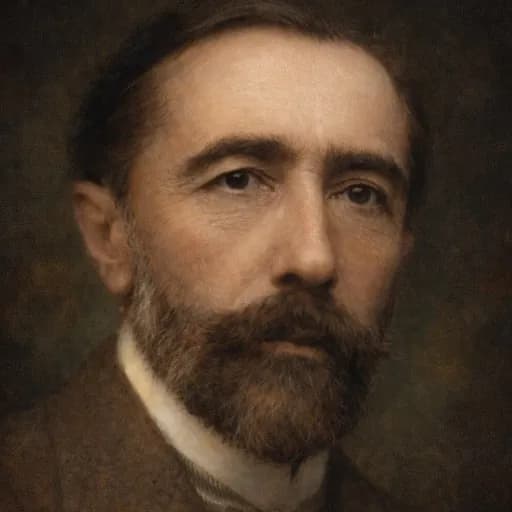
It was the incarnation of blind insensate Greed. It was a monster devouring with a thousand mouths, trampling with a thousand hoofs: it was the Great Butcher — it was the spirit of Capitalism made flesh. Upon the ocean of commerce it sailed as a pirate ship; it had hoisted the black flag and declared war upon civilization. Bribery and corruption were its everyday methods. In Chicago the city government was simply one of its branch offices.
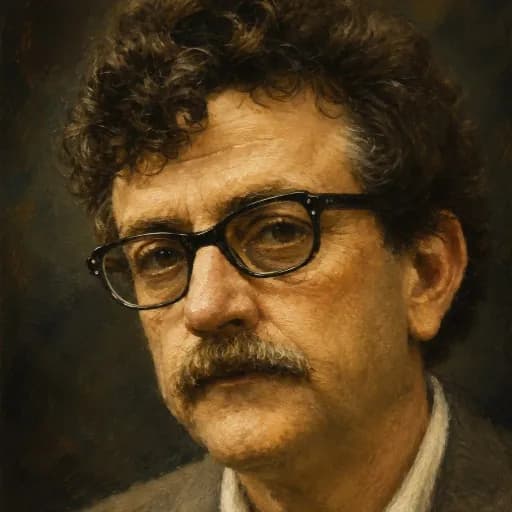
And where did anyone get the brainless opinion that the super-rich are too wealthy to steal? ...from Ford to Hughes to Iacocca and Trump and the other tycoon redeemers, we have an exact demonstration that nobody is more covetous and greedy than those who have far too much."
“I would define ‘avarice’ as a consequence of the human estate: a condition arising from turbulence and inequality. In none of the paradises, where conditions are no doubt optimum, does ‘avarice’ exert force. Here, we are men struggling toward perfection and ‘avarice’ is a station along the way.”
p. 545
Here is how the pirates were able to take whatever they wanted from anybody else: they had the best boats in the world, and they were meaner than anybody else, and they had gunpowder, which was a mixture of potassium nitrate, charcoal, and sulphur. They touched this seemingly listless powder with fire, and it turned violently into gas. This gas blew projectiles out of metal tubes at terrific velocities. The projectiles cut through meat and bone very easily; so the pirates could wreck the wiring or the bellows or the plumbing of a stubborn human being, even when he was far, far away.
The chief weapon of the sea pirates, however, was their capacity to astonish. Nobody else could believe, until it was much too late, how heartless and greedy they were.
Thus did a handful of rapacious citizens come to control all that was worth controlling in America. Thus was the savage and stupid and entirely inappropriate and unnecessary and humorless American class system created. Honest, industrious, peaceful citizens were classed as bloodsuckers, if they asked to be paid a living wage. And they saw that praise was reserved henceforth for those who devised means of getting paid enormously for committing crimes against which no laws had been passed. Thus the American dream turned belly up, turned green, bobbed to the scummy surface of cupidity unlimited, filled with gas, went bang in the noonday sun.
p. 4
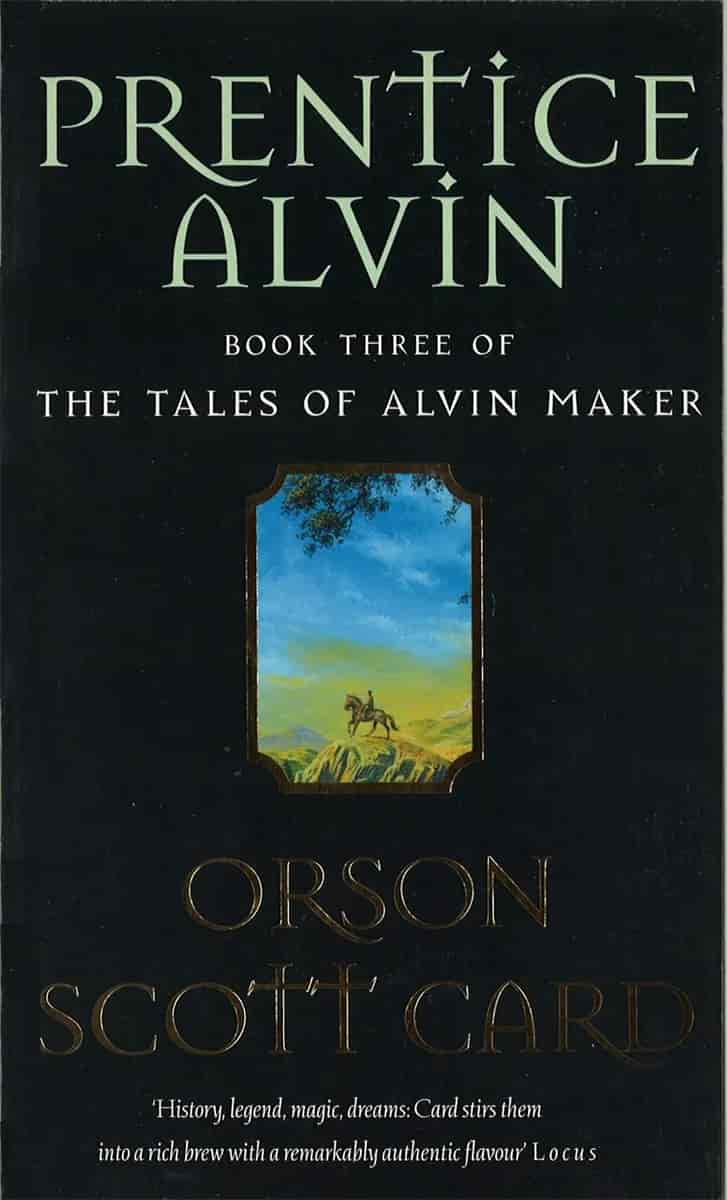
Slavery, that was a kind of alchemy for such White folk, or so they reckoned. They calculated a way of turning each bead of a Black man's sweat into gold and each moan of despair from a Black woman's throat into the sweet clear sound of a silver coin ringing on the money-changer's table. There was buying and selling of souls in that place. Yet there was nary a one of them who understood the whole price they paid for owning other folk.
Land was what they wanted, as if the mere ownership of dirt could turn a peasant into a squire.
The most evil creatures don’t desire the destruction of everything—they only desire to exploit it for themselves.
With this as its basic constitution, civilization achieved things of which gentile society was not even remotely capable. But it achieved them by setting in motion the lowest instincts and passions in man and developing them at the expense of all his other abilities. From its first day to this, sheer greed was the driving spirit of civilization; wealth and again wealth and once more wealth, wealth, not of society, but of the single scurvy individual–here was its one and final aim. If at the same time the progressive development of science and a repeated flowering of supreme art dropped into its lap, it was only because without them modern wealth could not have completely realized its achievements.
We are set irrevocably, I believe, on a path that will take us to the stars—unless in some monstrous capitulation to stupidity and greed, we destroy ourselves first.
p. 368