Quotes about freedom
641 quotes · 303 authors
Quotes
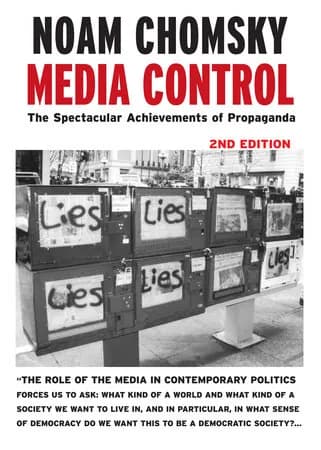
The issue is whether we want to live in a free society or whether we want to live under what amounts to a form of self-imposed totalitarianism... admiring with awe the leader who saved them from destruction, while the educated masses goose-step on command and repeat the slogans they're supposed to repeat and the society deteriorates at home. We end up serving as a mercenary enforcer state, hoping that others are going to pay us to smash up the world.
No rational person will approve of violence and terror, and in particular the terror of the post-revolutionary state that has fallen into the hands of a grim autocracy has more than once reached indescribable levels of savagery. At the same time, no person of understanding or humanity will too quickly condemn the violence that often occurs, when long subdued masses rise against their oppressors or take their first steps toward liberty and social reconstruction.
p. 137
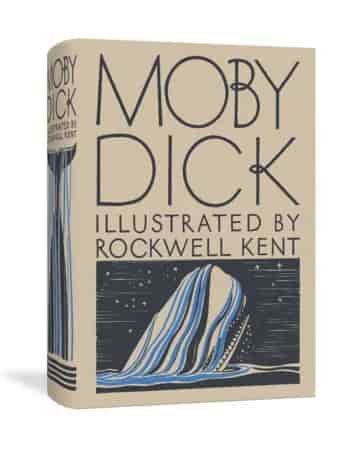
Know ye now, Bulkington? Glimpses do ye seem to see of that mortally intolerable truth; that all deep, earnest thinking is but the intrepid effort of the soul to keep the open independence of her sea; while the wildest winds of heaven and earth conspire to cast her on the treacherous, slavish shore? But as in landlessness alone resides the highest truth, shoreless, indefinite as God—so better is it to perish in that howling infinite, than be ingloriously dashed upon the lee, even if that were safety! For worm-like, then, oh! who would craven crawl to land! Terrors of the terrible! is all this agony so vain? Take heart, take heart, O Bulkington! Bear thee grimly, demigod! Up from the spray of thy ocean-perishing—straight up, leaps thy apotheosis!
p. 118
All those who seek to destroy the liberties of a democratic nation ought to know that war is the surest and shortest means to accomplish it.
I should have loved freedom, I believe, at all times, but in the time in which we live I am ready to worship it.
No protracted war can fail to endanger the freedom of a democratic country.
After having thus successively taken each member of the community in its powerful grasp and fashioned him at will, the government then extends its arm over the whole community. It covers the surface of society with a network of small, complicated rules, minute and uniform, through which the most original minds and the most energetic characters cannot penetrate, to rise above the crowd. The will of man is not shattered, but softened, bent, and guided; men are seldom forced by it to act, but they are constantly restrained from acting. Such a power does not destroy, but it prevents existence: it does not tyrannize, but it compresses, enervates, extinguishes, and stupefies a people, till each nation is reduced to nothing better than a flock of timid and industrious animals, of which the government is the shepherd.
I think that democratic communities have a natural taste for freedom: left to themselves, they will seek it, cherish it, and view any privation of it with regret. But for equality, their passion is ardent, insatiable, incessant, invincible: they call for equality in freedom; and if they cannot obtain that, they still call for equality in slavery.
I know of no country in which there is so little independence of mind and real freedom of discussion as in America.
Despotism may govern without faith, but liberty cannot. How is it possible that society should escape destruction if the moral tie is not strengthened in proportion as the political tie is relaxed? And what can be done with a people who are their own masters if they are not submissive to the Deity?
Commerce is naturally adverse to all the violent passions; it loves to temporize, takes delight in compromise, and studiously avoids irritation. It is patient, insinuating, flexible, and never has recourse to extreme measures until obliged by the most absolute necessity. Commerce renders men independent of each other, gives them a lofty notion of their personal importance, leads them to seek to conduct their own affairs, and teaches how to conduct them well; it therefore prepares men for freedom, but preserves them from revolutions.
The Americans combine the notions of Christianity and of liberty so intimately in their minds, that it is impossible to make them conceive the one without the other; and with them this conviction does not spring from that barren traditionary faith which seems to vegetate in the soul rather than to live.