Quotes
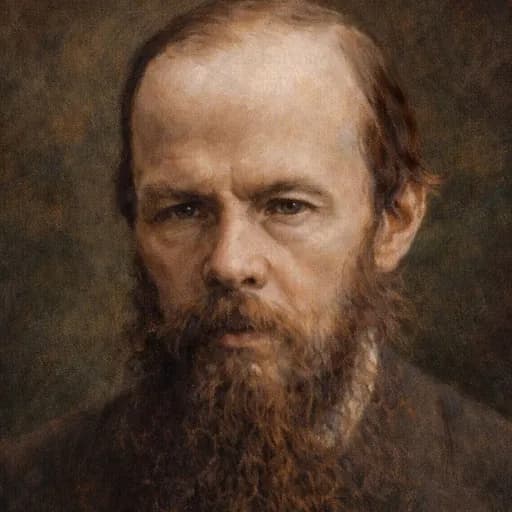
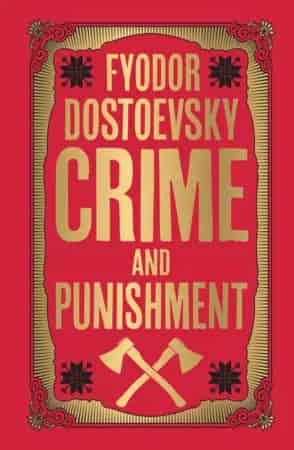
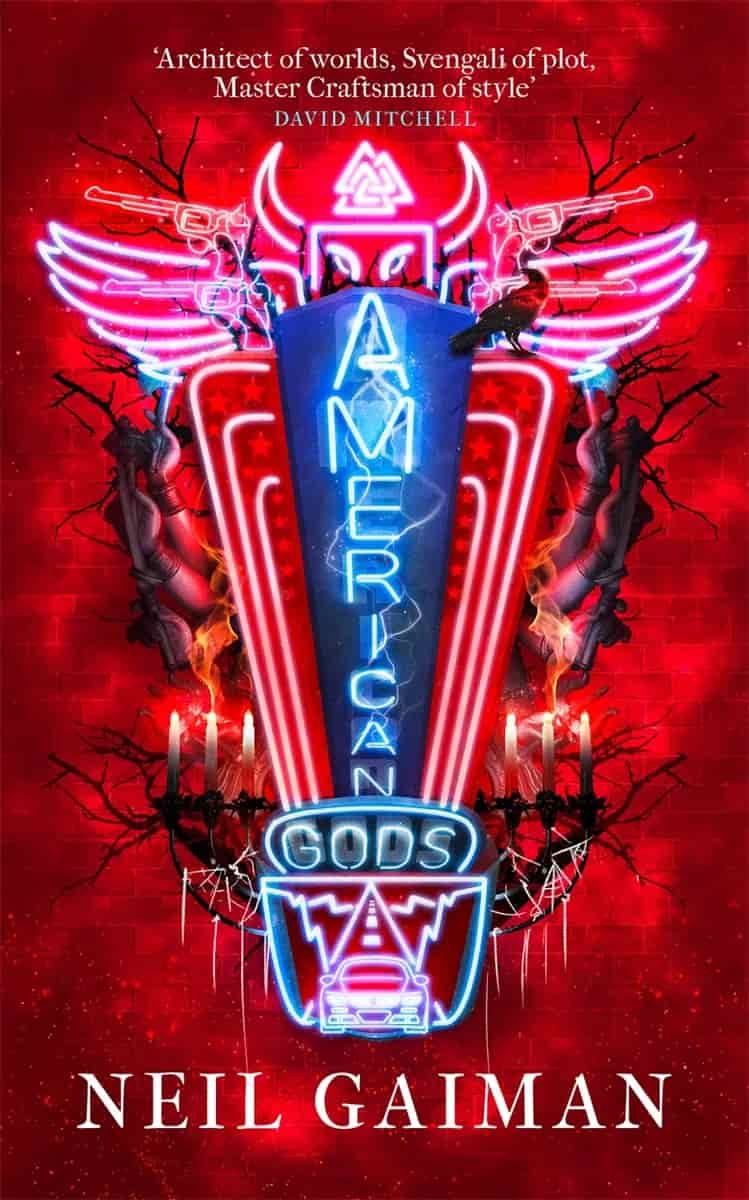
I think the devil doesn't exist, but man has created him, he has created him in his own image and likeness.
If not reason, then the devil.
Do a man dirt, yourself you hurt.
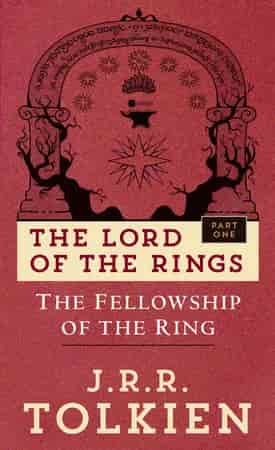
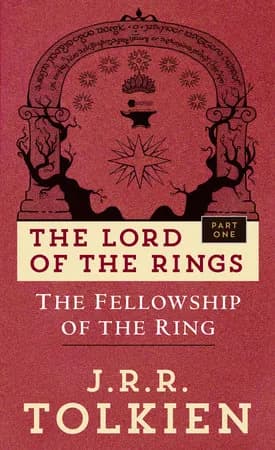
It is perilous to study too deeply the arts of the Enemy, for good or for ill. But such falls and betrayals, alas, have happened before.
'Speak no evil of the Lady Galadriel!' said Aragorn sternly. 'You know not what you say. There is in her and in this land no evil, unless a man bring it hither himself.'
We cannot use the Ruling Ring. That we now know too well. It belongs to Sauron and was made by him alone, and is altogether evil. Its strength, Boromir, is too great for anyone to wield at will, save only those who have already a great power of their own. But for them it holds an even deadlier peril. The very desire of it corrupts the heart.
If any of the Wise should with this Ring overthrow the Lord of Mordor, using his own arts, he would then set himself on Sauron's throne, and yet another Dark Lord would appear. And that is another reason why the Ring should be destroyed: as long as it is in the world it will be a danger even to the Wise. For nothing is evil in the beginning. Even Sauron was not so. I fear to take the Ring to hide it. I will not take the Ring to wield it.
In nothing is the power of the Dark Lord more clearly shown than in the estrangement that divides all those who still oppose him.
'Sooner or later, if he is strong or well-meaning to begin with, but neither strength nor good purpose will last. Sooner or later the Dark Power will devour him.'
There are accounts that, if we open our hearts to them, will cut us too deeply. Look — here is a good man, good by his own lights and the lights of his friends: he is faithful and true to his wife, he adores and lavishes attention on his little children, he cares about his country, he does his job punctiliously, as best he can. So, efficiently and good-naturedly, he exterminates Jews: he appreciates the music that plays in the background to pacify them; he advises the Jews not to forget their identification numbers as they go into the showers — many people, he tells them, forget their numbers, and take the wrong clothes when they come out of the showers. This calms the Jews. There will be life, they assure themselves, after the showers. Our man supervises the detail taking the bodies to the ovens; and if there is anything he feels bad about, it is that he still allows the gassing of vermin to affect him. Were he a truly good man, he knows, he would feel nothing but joy as the earth is cleansed of its pests.
Were a stranger to drop on a sudden into this world, I would show him, as a specimen of its ills, a hospital full of diseases, a prison crowded with malefactors and debtors, a field of battle strewed with carcasses, a fleet foundering in the ocean, a nation languishing under tyranny, famine, or pestilence. To turn the gay side of life to him, and give him a notion of its pleasures; whither should I conduct him? to a ball, to an opera, to court? He might justly think, that I was only showing him a diversity of distress and sorrow.
And is it possible, CLEANTHES, said PHILO, that after all these reflections, and infinitely more, which might be suggested, you can still persevere in your Anthropomorphism, and assert the moral attributes of the Deity, his justice, benevolence, mercy, and rectitude, to be of the same nature with these virtues in human creatures? His power we allow is infinite: whatever he wills is executed: but neither man nor any other animal is happy: therefore he does not will their happiness. His wisdom is infinite: He is never mistaken in choosing the means to any end: But the course of Nature tends not to human or animal felicity: therefore it is not established for that purpose. Through the whole compass of human knowledge, there are no inferences more certain and infallible than these. In what respect, then, do his benevolence and mercy resemble the benevolence and mercy of men? EPICURUS's old questions are yet unanswered. Is he willing to prevent evil, but not able? then is he impotent. Is he able, but not willing? then is he malevolent. Is he both able and willing? whence then is evil?