Quotes about children
263 quotes · 149 authors
Quotes
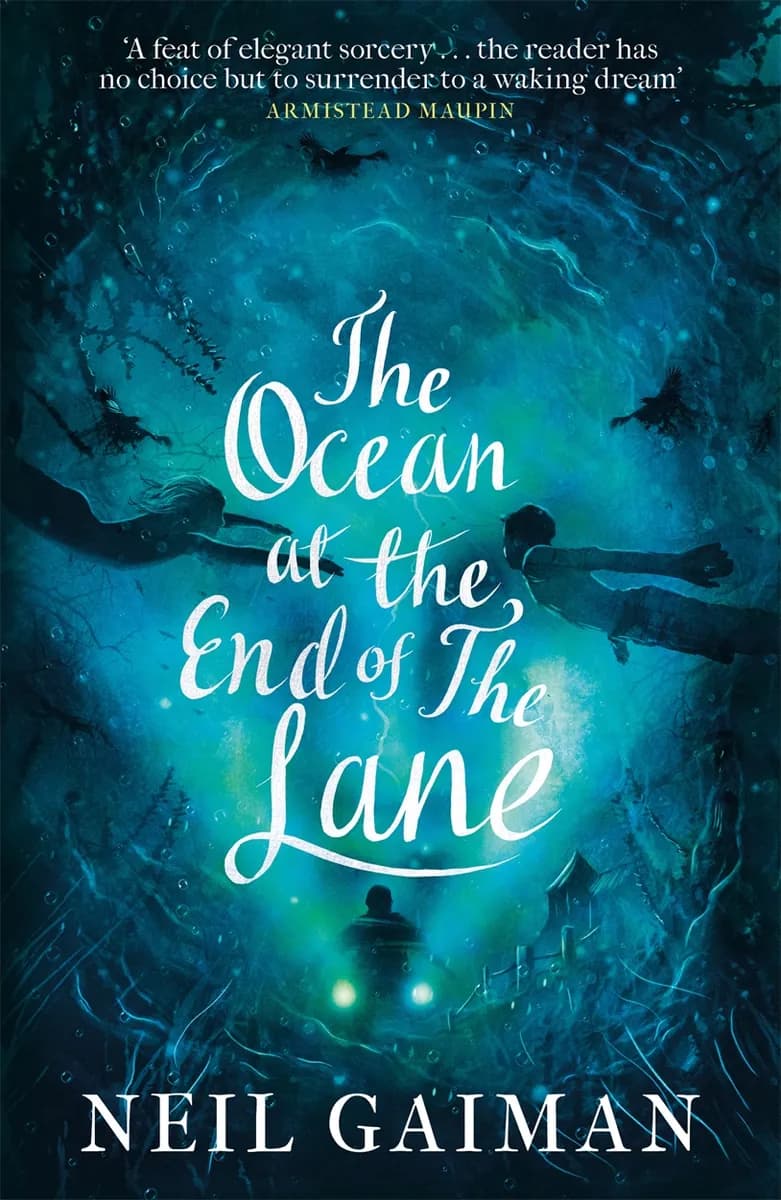
Children, as I have said, use back ways and hidden paths, while adults take roads and official paths.
p. 151
It was no wonder that people were so horrible when they started life as children.
I thought I'd get a coffee and take it outdoors, but just as I approached, a boy swooped in and began mixing himself a cup of hot chocolate.
It was a complicated business, mixing a cup of hot chocolate. You had to spread the powdered cocoa from one end of the table to the other and use as many stirrers as possible, making sure to thoroughly chew the wetted ends before tossing them upon the stack of unused napkins. This is what I like about children: complete attention to one detail and complete disregard of another.
p. 215
I Photo Elfed all day for a variety of Santas and it struck me that many of the parents don't allow their children to speak at all. A child sits upon Santa's lap and the parents say, 'All right now, Amber, tell Santa what you want. Tell him you want a Baby Alive and My Pretty Ballerina and that winter coat you saw in the catalog.'
The parents name the gifts they have already bought. They don't want to hear the word 'pony' or 'television set,' so they talk through the entire visit, placing words in the child's mouth. When the child hops off the lap, the parents address their children, each and every time, with, 'What do you say to Santa?'
The child says, 'Thank you, Santa.'
It is sad because you would like to believe that everyone is unique and then they disappoint you every time by being exactly the same, asking for the same things, reciting the exact same lines as though they have been handed a script.
All of us take pride and pleasure in the fact that we are unique, but I'm afraid that when all is said and done the police are right: it all comes down to the fingerprints.
p. 233
It is hard upon the duckling to have been hatched by a hen, but is it not also hard upon the hen to have hatched the duckling?
She was perfectly quiet now, but not asleep — only soothed by sweet porridge and warmth into that wide-gazing calm which makes us older human beings, with our inward turmoil, feel a certain awe in the presence of a little child, such as we feel before some quiet majesty or beauty in the earth or sky — before a steady glowing planet, or a full-flowered eglantine, or the bending trees over a silent pathway.
p. 118
In old days there were angels who came and took men by the hand and led them away from the city of destruction. We see no white-winged angels now. But yet men are led away from threatening destruction: a hand is put into theirs, which leads them forth gently towards a calm and bright land, so that they look no more backward; and the hand may be a little child's.
p. 131
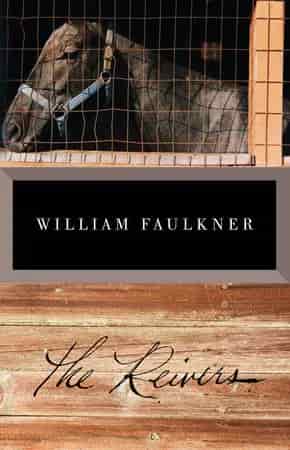
When grown people speak of the innocence of children, they dont really know what they mean. Pressed, they will go a step further and say, Well, ignorance then. The child is neither. There is no crime which a boy of eleven had not envisaged long ago. His only innocence is, he may not be old enough to desire the fruits of it, which is not innocence but appetite; his ignorance is, he does not know how to commit it, which is not ignorance but size. But Boon didn't know this. He must seduce me. And he had so little time: only from the time the train left until dark.
She wanted to tell me. Maybe she even tried. But she couldn't. It wasn't because I was only twelve. It was because I was her child, created by her and Father because they wanted to be in bed together and nothing else would do, nobody else would do. You see? ... Because to the child, he was not created by his mother's and his father's passion or capacity for it. He couldn't have been because he was there first, he came first, before the passion; he created the passion, not only it but the man and the woman who served it; his father is not his father but his son-in-law, his mother not his mother but his daughter-in-law if he is a girl. ... and if a boy or a girl really is his father's and her mother's father-in-law or mother-in-law, which would make the girl her brother's mother no matter how much younger she was, then a girl with just one brother and him a twin at that, would maybe be his wife and mother too.
Boys and girls have many games in common, and this is as it should be; do they not play together when they are grown up? They have also special tastes of their own. Boys want movement and noise, drums, tops, toy-carts; girls prefer things which appeal to the eye, and can be used for dressing-up—mirrors, jewellery, finery, and specially dolls. The doll is the girl's special plaything; this shows her instinctive bent towards her life's work. The art of pleasing finds its physical basis in personal adornment, and this physical side of the art is the only one which the child can cultivate.
Here is a little girl busy all day with her doll; she is always changing its clothes, dressing and undressing it, trying new combinations of trimmings well or ill matched; her fingers are clumsy, her taste is crude, but there is no mistaking her bent; in this endless occupation time flies unheeded, the hours slip away unnoticed, even meals are forgotten. She is more eager for adornment than for food. "But she is dressing her doll, not herself," you will say. Just so; she sees her doll, she cannot see herself; she cannot do anything for herself, she has neither the training, nor the talent, nor the strength; as yet she herself is nothing, she is engrossed in her doll and all her coquetry is devoted to it. This will not always be so; in due time she will be her own doll.
The chief harm which results from the monstrous ideas of God which are instilled into the minds of children is that they last all their life long, and as men they understand no more of God than they did as children. In Switzerland I once saw a good and pious mother who was so convinced of the truth of this maxim that she refused to teach her son religion when he was a little child for fear lest he should be satisfied with this crude teaching and neglect a better teaching when he reached the age of reason. This child never heard the name of God pronounced except with reverence and devotion, and as soon as he attempted to say the word he was told to hold his tongue, as if the subject were too sublime and great for him. This reticence aroused his curiosity and his self-love; he looked forward to the time when he would know this mystery so carefully hidden from him. The less they spoke of God to him, the less he was himself permitted to speak of God, the more he thought about Him; this child beheld God everywhere. What I should most dread as the result of this unwise affectation of mystery is this: by over-stimulating the youth's imagination you may turn his head, and make him at the best a fanatic rather than a believer.
But consider what a gulf there still is between the idea of two substances and that of the divine nature, between the incomprehensible idea of the influence of our soul upon our body and the idea of the influence of God upon every living creature. The ideas of creation, destruction, ubiquity, eternity, almighty power, those of the divine attributes—these are all ideas so confused and obscure that few men succeed in grasping them; yet there is nothing obscure about them to the common people, because they do not understand them in the least; how then should they present themselves in full force, that is to say in all their obscurity, to the young mind which is still occupied with the first working of the senses, and fails to realise anything but what it handles?