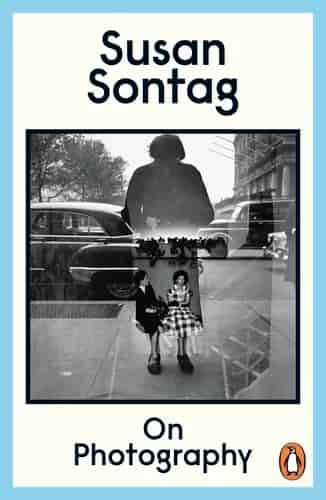
Social misery has inspired the comfortably-off with the urge to take pictures, the gentlest of predations, in… — Susan Sontag
Social misery has inspired the comfortably-off with the urge to take pictures, the gentlest of predations, in order to document a hidden reality, that is, a reality hidden from them. Gazing on other people's reality with curiosity, with detachment, with professionalism, the ubiquitous photographer operates as if that activity transcends class interests, as if its perspective is universal. In fact, photography first comes into its own as an extension of the eye of the middle-class flâneur, whose sensibility was so accurately charted by Baudelaire. The photographer is an armed version of the solitary walker reconnoitering, stalking, cruising the urban inferno, the voyeuristic stroller who discovers the city as a landscape of voluptuous extremes. Adept of the joys of watching, connoisseur of empathy, the flâneur finds the world "picturesque"...
p. 55Source: Wikiquote · CC BY-SA 4.0
More from this book
Photography has become almost as widely practiced an amusement as sex and dancing.
p. 8
Whitman thought he was not abolishing beauty but generalizing it. So, for generations, did the most gifted American photographers, in their polemical pursuit of the trivial and the vulgar. But among American photographers who have matured since World War II, the Whitmanesque mandate to record in its entirety the extravagant candors of actual American experience has gone sour. In photographing dwarfs, you don't get majesty & beauty. You get dwarfs.
p. 29
The flâneur is not attracted to the city's official realities but to its dark seamy corners, the neglected populations—an unofficial reality behind the façade of bourgeois life that the photographer 'apprehends,' as a detective apprehends a criminal."
p. 55