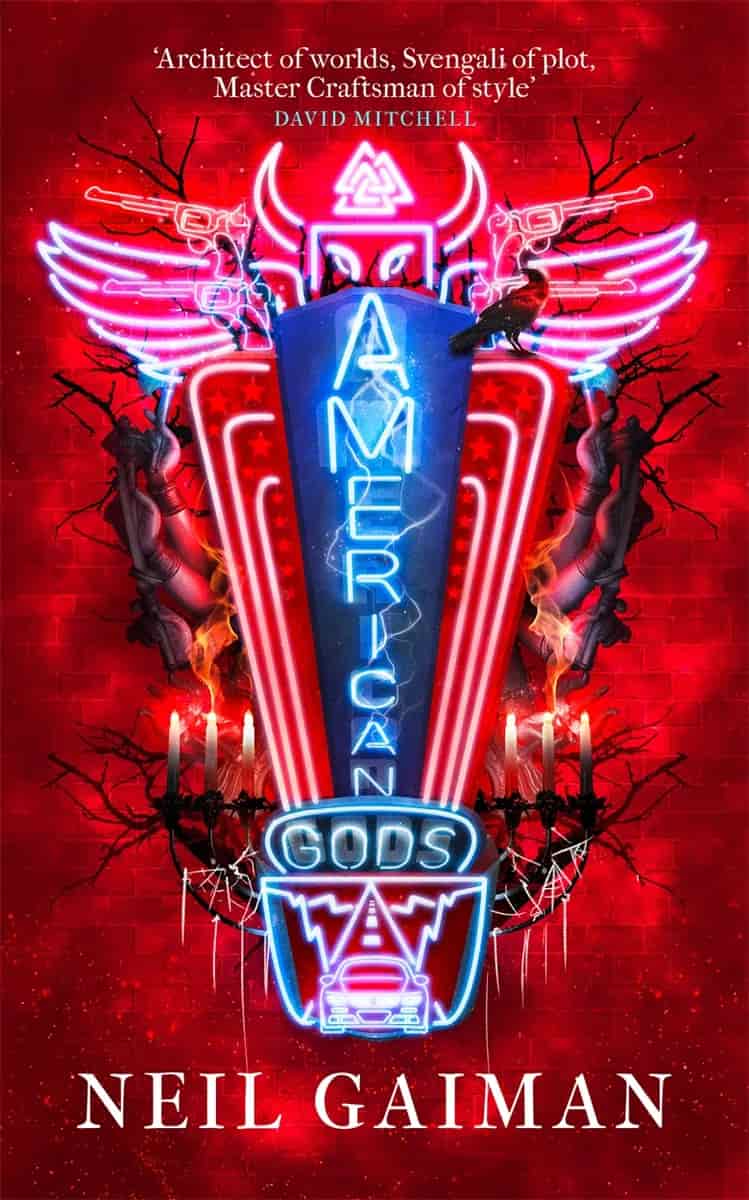
The slaves on the sugar plantations of St. Domingue rarely lived more than a decade. The free time they were… — Neil Gaiman
The slaves on the sugar plantations of St. Domingue rarely lived more than a decade. The free time they were given—two hours in the heat of noon and five hours in the dark of the night (from eleven until four)—was also the only time they had to grow and tend the food they would eat (for they were not fed by their masters, merely given small plots of land to cultivate, with which to feed themselves), and it was also the time they had to sleep and to dream. Even so, they would take that time and they would gather and dance, and sing and worship.
Source: Wikiquote · CC BY-SA 4.0
More from this book
There are accounts that, if we open our hearts to them, will cut us too deeply. Look — here is a good man, good by his own lights and the lights of his friends: he is faithful and true to his wife, he adores and lavishes attention on his little children, he cares about his country, he does his job punctiliously, as best he can. So, efficiently and good-naturedly, he exterminates Jews: he appreciates the music that plays in the background to pacify them; he advises the Jews not to forget their identification numbers as they go into the showers — many people, he tells them, forget their numbers, and take the wrong clothes when they come out of the showers. This calms the Jews. There will be life, they assure themselves, after the showers. Our man supervises the detail taking the bodies to the ovens; and if there is anything he feels bad about, it is that he still allows the gassing of vermin to affect him. Were he a truly good man, he knows, he would feel nothing but joy as the earth is cleansed of its pests.
No man, proclaimed Donne, is an Island, and he was wrong. If we were not islands, we would be lost, drowned in each other’s tragedies. We are insulated (a word that means, literally, remember, made into an island) from the tragedy of others, by our island nature, and by the repetitive shape and form of the stories. The shape does not change: there was a human being who was born, lived, and then, by some means or another, died. There. You may fill in the details from your own experience. As unoriginal as any other tale, as unique as any other life. Lives are snowflakes — forming patterns we have seen before, as like one another as peas in a pod (and have you ever looked at peas in a pod? I mean, really looked at them? There’s not a chance you’d mistake one for another, after a minute’s close inspection), but still unique.
"This isn’t about what is," said Mr. Nancy. "It’s about what people think is. It’s all imaginary anyway. That’s why it’s important. People only fight over imaginary things."