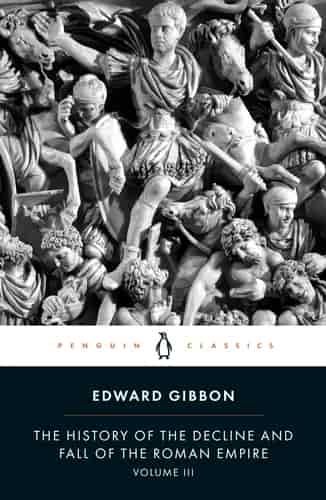
But the genius of Constantine himself had been formed by adversity and experience. In the free intercourse of… — Edward Gibbon
But the genius of Constantine himself had been formed by adversity and experience. In the free intercourse of private life, and amidst the dangers of the court of Galerius, he had learned to command his own passions, to encounter those of his equals, and to depend for his present safety and future greatness on the prudence and firmness of his personal conduct. His destined successors had the misfortune of being born and educated in the Imperial purple. Incessantly surrounded with a train of flatterers, they passed their youth in the enjoyment of luxury and the expectation of a throne...
Source: Wikiquote · CC BY-SA 4.0
More from this book
Benevolence is the foundation of Justice, since we are forbidden to injure those we are bound to assist. A prophet may reveal the secrets of Heaven and futurity, but in his moral precepts he can only repeat the lessons of our own hearts.
To an active mind, indolence is more painful than labor ...
In the spirit of enthusiasm or vanity, the prophet [Muhammad] rests the truth of his mission on the merit of his book; audaciously challenges both men and angels to imitate the beauties of a single page; and presumes to assert that God alone could dictate this incomparable performance. This argument is most powerfully addressed to a devout Arabian, whose mind is attuned to faith and rapture; whose ear is delighted by the music of sounds; and whose ignorance is incapable of comparing the productions of human genius... If the composition of the Koran exceed the faculties of a man to what superior intelligence should we ascribe the Iliad of Homer, or the Philippics of Demosthenes?