Quotes
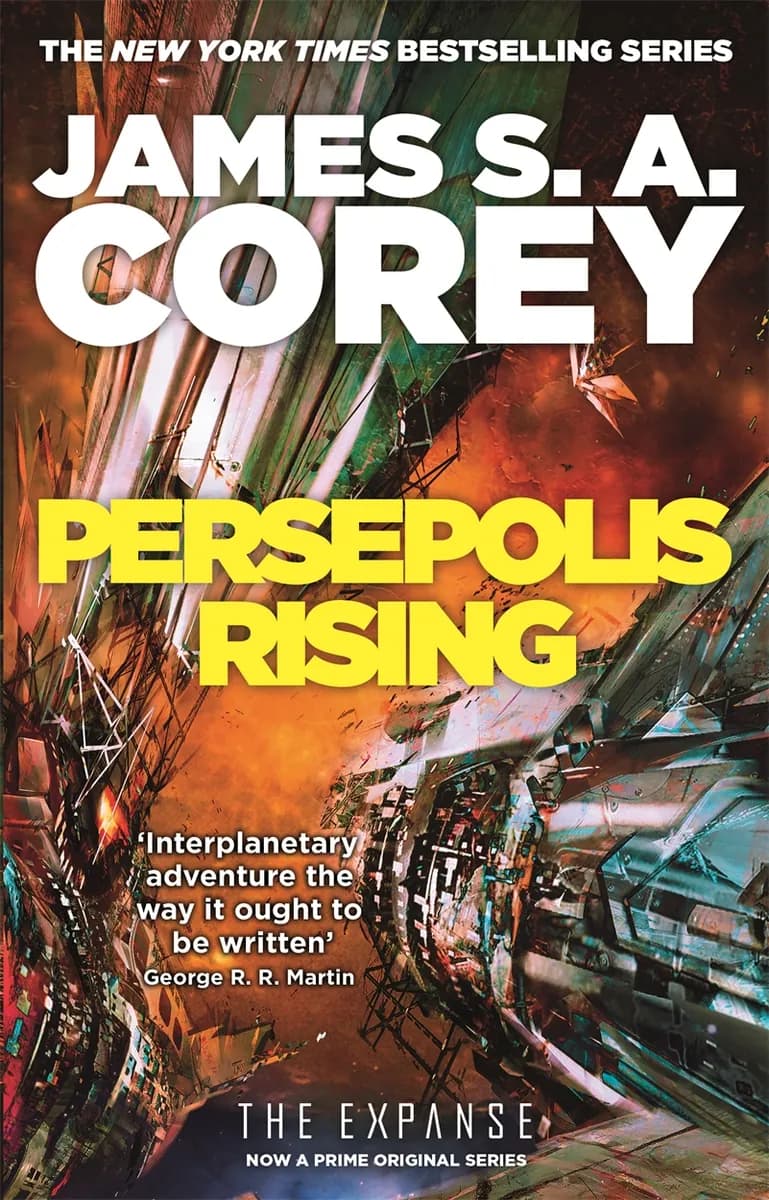
She had to remind herself that war was always this way. Had always been. Cities had been falling under siege since the time there were cities. Mortars had fallen on schools. Soldiers had stormed hospitals. Bombs had set churches and parks and children on fire. Homes had been lost before now.
p. 281
If Fred couldn’t build himself a peace treaty, the OPA would never win against the discipline and unity of an inner planet navy. But they would also never lose. War without end.
Well, what was history if not that?
And how would having the stars change anything?
p. 467
He couldn’t fix the cancer of war, couldn’t even slow down the spread, but at least he could admit it was happening.
p. 164
I am fearing because I am seeing that the only way not to be fighting is to die. I am not wanting to die.
So we were playing all this game then and thinking that to be a soldier was to be the best thing in the world because gun is looking so powerful and men in movie are looking so powerful and strong when they are killing people, but I am knowing now that to be a soldier is only to be weak and not strong, and to have no food to eat and not to eat whatever you want, and also to have people making you do thing that you are not wanting to do and not be doing whatever you are wanting which is what they are doing in movie. But I am only knowing this now because I am soldier now.
The First World War was a tragic and unnecessary conflict. Unnecessary because the train of events that led to its outbreak might have been broken at any point during the five weeks of crisis that preceded the first clash of arms, had prudence or common goodwill found a voice; tragic because the consequences of the first clash ended the lives of ten million human beings, tortured the emotional lives of millions more, destroyed the benevolent and optimistic culture of the European continent and left, when the guns at last fell silent four years later, a legacy of political rancour and racial hatred so intense that no explanation of the causes of the Second World War can stand without reference to those roots.
p. 3
War’s rancours are quick to bite and slow to heal.
p. 6
Within fifteen years of the war’s end, totalitarianism, a new word for a system that rejected the liberalism and constitutionalism which had inspired European politics since the eclipse of monarchy in 1789, was almost everywhere on the rise. Totalitarianism was the political continuation of war by other means.
p. 8
Lightning victories, experience tells, store up evil consequences, usually for the victors.
p. 411
Plans made without allowance for the intentions of the enemy are liable to miscarry. So it was to prove in 1916.
p. 299
The First World War inaugurated the manufacture of mass deaths that the Second brought to a pitiless consummation.
p. 4
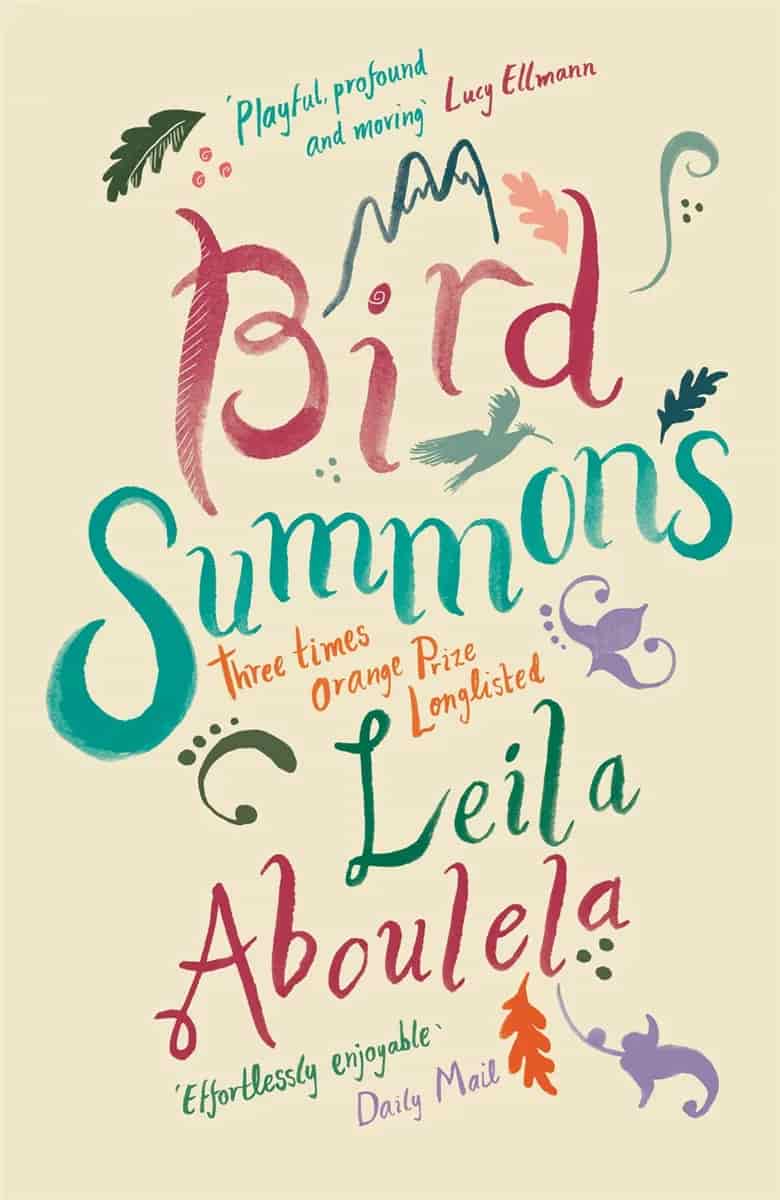
[she] did not want the flickering images of the past to be part of the garden. War should stay out of here. Shaking windows, wailing women, burnt skin, the terrifying gleam in the whites of a young man’s eyes. Blood that was not menstrual, softness that was damaged flesh, stillness that was not sleep but death. She wished she could wash her mind of all these things. She breathed in the smell of the garden, touched the flowers. This was the present, and she was here inside it. (Page 68)