Quotes about politics
593 quotes · 194 authors
Quotes
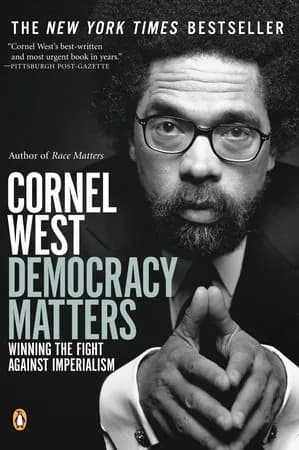
To many, our democratic system seems so broken that they have simply lost faith that their participation could really matter. The politics of self-interest and catering to narrow special interests is so dominant that so many ask themselves: Why vote? This disaffection stems both from the all-too-true reality of the corruptions of our system and from a deeper psychic disillusionment and disappointment. The is so formulaic, so tailored into poll-driven, focus-group-approved slogans that don't really say anything substantive or strike at the core of our lived experience; the lack of authenticity of discourse—and the underlying lack of gravitas, of penetrating insight and wisdom on the part of politicians—is numbing. But we must keep in mind that the disgust so many feel comes from a deep desire to hear more authentic expressions of insights about our lives and more genuine commitment to improving them. Many of us long for expressions of real concern both about the pain of our individual lives and about the common good [...] as opposed to the blatant catering to base interests and to narrow elite constituencies. We long for politics that in not about winning a political game but about producing better lives.
Hypocrisy, double standards, and "but nots" are the price of universalist pretensions. Democracy is promoted, but not if it brings Islamic fundamentalists to power; nonproliferation is preached for Iran and Iraq, but not for Israel; free trade is the elixir of economic growth, but not for agriculture; human rights are an issue for China, but not with Saudi Arabia; aggression against oil-owning Kuwaitis is massively repulsed, but not against non-oil-owning Bosnians. Double standards in practice are the unavoidable price of universal standards of principle.
p. 184
"I think that you are a very brilliant man. I think that you have more courage than you have ever guessed. I think that you truly care about this city, and the people in it. I think your cynicism is a fraud." "What-what-really, this is astonishing-" "I think that if you were truly as corrupt and venal as you pretend, you would be in the Senate."
Things are set up as contraries that are not even in the same category. Listen to me: the opposite of radical is superficial, the opposite of liberal is stingy; the opposite of conservative is destructive. Thus I will describe myself as a radical conservative liberal; but certain of the tainted red fish will swear that there can be no such fish as that. Beware of those who use words to mean their opposites. At the same time have pity on them, for usually this trick is their only stock in trade.
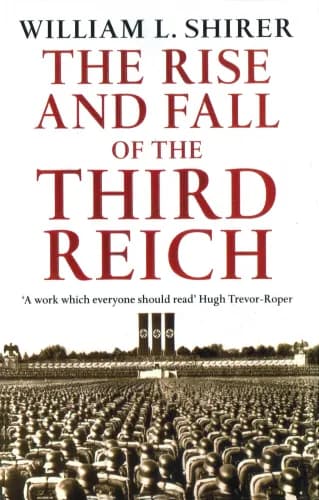
Chamberlain's stubborn, fanatical insistence on giving Hitler what he wanted, his trips to Berchtesgaden and Godesberg and finally the fateful journey to Munich rescued Hitler from his limb and strengthened his position in Europe, in Germany, in the Army, beyond anything that could have been imagined a few weeks before. It also added immeasurably to the power of the Third Reich vis-à-vis the Western democracies and the Soviet Union.
Imagine if the government chased sick people with diabetes, put a tax on insulin and drove it into the black market, told doctors they couldn’t treat them, and then caught them, prosecuted them for not paying their taxes, and then sent them to jail. If we did that, everyone would know we were crazy. Yet we do practically the same thing every day in the week to sick people hooked on drugs. The jails are full and the problem is getting worse every day.
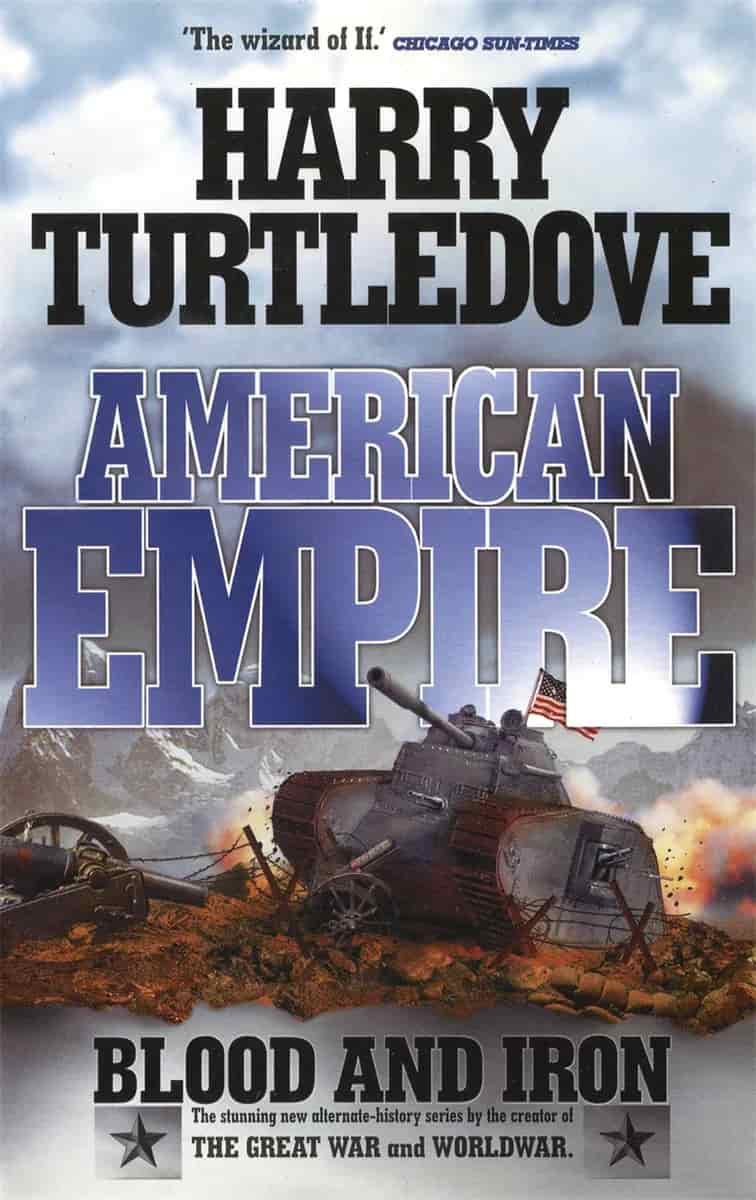
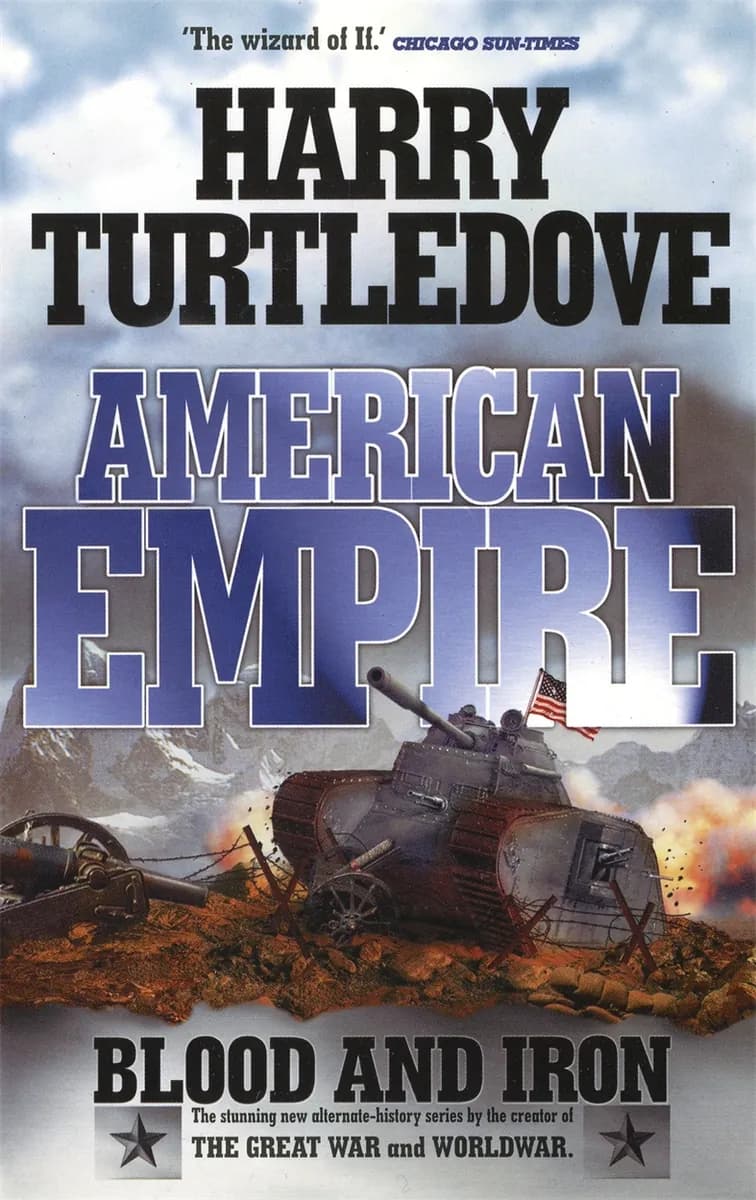
That wasn’t even remotely fair, but politics wasn’t about being fair. Politics was about getting your guy in and keeping the other side’s guy out. Once you’d done that, you could do all the other neat stuff you had in mind. If you stood on the sidelines looking longingly toward the playing field, all the neat ideas in the world weren’t worth a dime.
p. 464
“Is it better to get shot in a war your side wins than in one where you lose?” O’Doull persisted.
“Better not to get shot at all,” McDougald said, a great and obvious truth to which too many people who went down in history as statesmen were blind.
p. 294
One of the drawbacks of being President, he’d discovered, was that you couldn’t always call a damn fool a damn fool to his face. Sometimes, no matter how big a damn fool he was, you knew you might need him again one of these days.
p. 263
And now, just to prove how clever the elected rulers of the country were, they’d decided to reprise what hadn’t worked before.
p. 290
As happened too often in politics, never turned out not to be so very long after all.
p. 469
That wasn’t even close to fair, and Sylvia knew it. But she’s already seen that political campaigns weren’t designed to be fair. They were designed to convince, by whatever means possible.
p. 356