Quotes
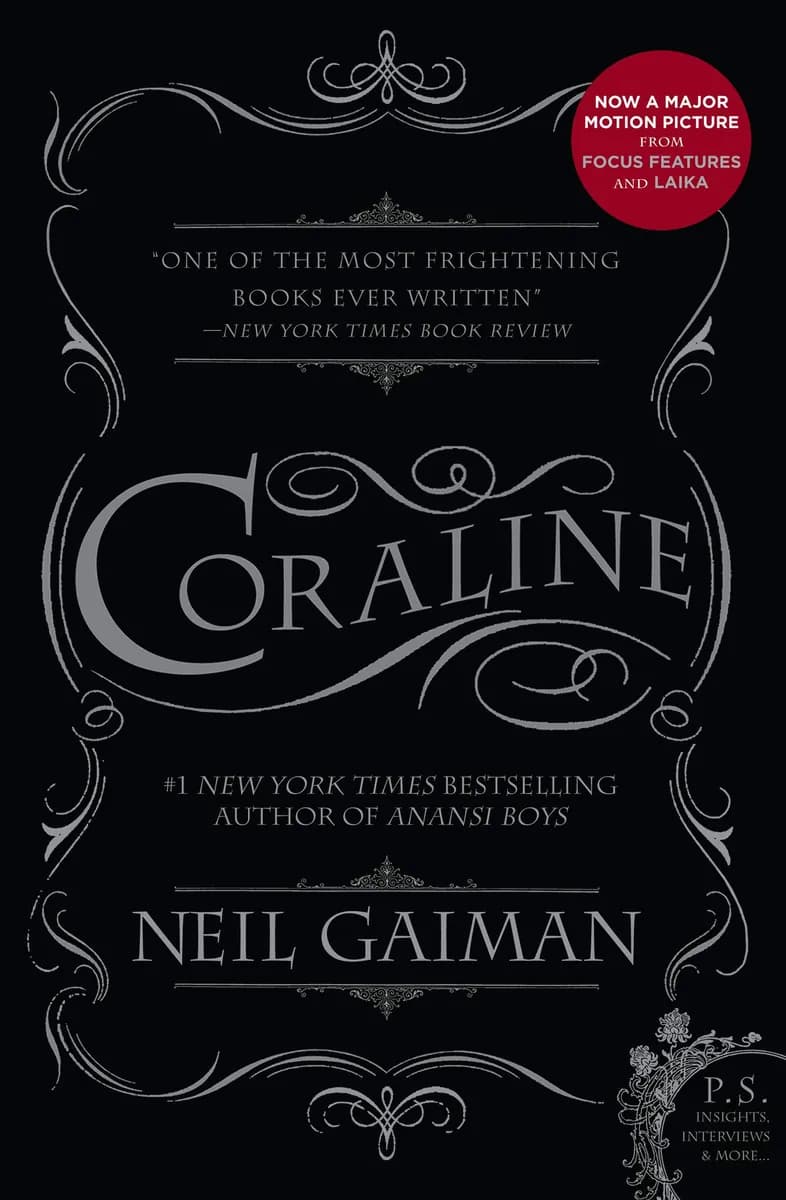
I don't want whatever I want. Nobody does. Not really. What kind of fun would it be if I just got everything I ever wanted just like that, and it didn't mean anything? What then?
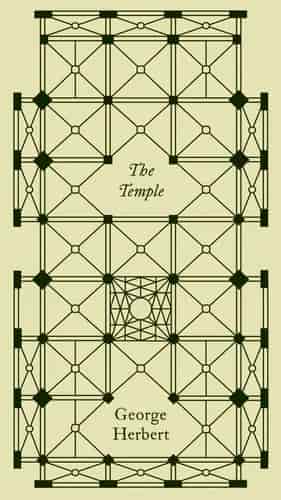
Man is no star, but a quick coal
Of mortal fire:
Who blows it not, nor doth control
A faint desire,
Lets his own ashes choke his soul.
It seems to me we can never give up longing and wishing while we are thoroughly alive. There are certain things we feel to be beautiful and good, and we must hunger after them. How can we ever be satisfied without them until our feelings are deadened?
Once we begin to want, we fall under the jurisdiction of the Devil.
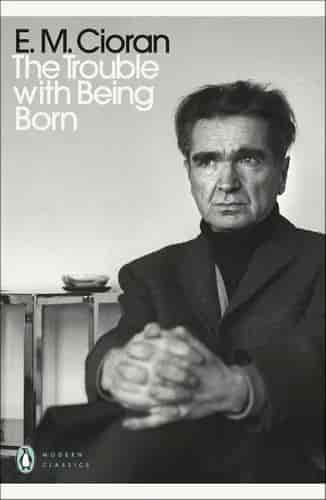
It is trifling to believe in what you do or in what others do. You should avoid simulacra and even "realities"; you should take up a position external to everything and everyone, drive off or grind down your appetites, live, according to a Hindu adage, with as few desires as a "solitary elephant.
I dream of wanting — and all I want seems to me worthless.
I have only one rule to give you which sums up all the rest. Be a man; restrain your heart within the limits of your manhood. Study and know these limits; however narrow they may be, we are not unhappy within them; it is only when we wish to go beyond them that we are unhappy, only when, in our mad passions, we try to attain the impossible; we are unhappy when we forget our manhood to make an imaginary world for ourselves, from which we are always slipping back into our own. The only good things, whose loss really affects us, are those which we claim as our rights. If it is clear that we cannot obtain what we want, our mind turns away from it; wishes without hope cease to torture us. A beggar is not tormented by a desire to be a king; a king only wishes to be a god when he thinks himself more than man.
Let us give him everything. Let us lavish charms and merit on him. Let him be handsome, very clever, and lovable. He will be sought out by women. But in seeking him out before he loves them, they will unhinge him rather than make a lover out of him. He will have successes, but he will have neither transports nor passion for enjoying them. Since his desires, always provided for in advance, never have time to be born, he feels in the bosom of pleasures only the boredom of constraint.
Nature provides for the child's growth in her own fashion, and this should never be thwarted. Do not make him sit still when he wants to run about, nor run when he wants to be quiet. If we did not spoil our children's wills by our blunders their desires would be free from caprice. Let them run, jump, and shout to their heart's content. All their own activities are instincts of the body for its growth in strength; but you should regard with suspicion those wishes which they cannot carry out for themselves, those which others must carry out for them. Then you must distinguish carefully between natural and artificial needs, between the needs of budding caprice and the needs which spring from the overflowing life just described.
Every feeling of hardship is inseparable from the desire to escape from it; every idea of pleasure from the desire to enjoy it. All desire implies a want, and all wants are painful; hence our wretchedness consists in the disproportion between our desires and our powers. A conscious being whose powers were equal to his desires would be perfectly happy. What then is human wisdom? Where is the path of true happiness? The mere limitation of our desires is not enough, for if they were less than our powers, part of our faculties would be idle, and we should not enjoy our whole being; neither is the mere extension of our powers enough, for if our desires were also increased we should only be the more miserable. True happiness consists in decreasing the difference between our desires and our powers, in establishing a perfect equilibrium between the power and the will. Then only, when all its forces are employed, will the soul be at rest and man will find himself in his true position.
It is only in this primitive condition that we find the equilibrium between desire and power, and then alone man is not unhappy. As soon as his potential powers of mind begin to function, imagination, more powerful than all the rest, awakes, and precedes all the rest. It is imagination which enlarges the bounds of possibility for us, whether for good or ill, and therefore stimulates and feeds desires by the hope of satisfying them. But the object which seemed within our grasp flies quicker than we can follow; when we think we have grasped it, it transforms itself and is again far ahead of us. We no longer perceive the country we have traversed, and we think nothing of it; that which lies before us becomes vaster and stretches still before us. Thus we exhaust our strength, yet never reach our goal, and the nearer we are to pleasure, the further we are from happiness.
The world of reality has its bounds, the world of imagination is boundless; as we cannot enlarge the one, let us restrict the other; for all the sufferings which really make us miserable arise from the difference between the real and the imaginary. Health, strength, and a good conscience excepted, all the good things of life are a matter of opinion; except bodily suffering and remorse, all our woes are imaginary. You will tell me this is a commonplace; I admit it, but its practical application is no commonplace, and it is with practice only that we are now concerned.
The other animals possess only such powers as are required for self-preservation; man alone has more. Is it not very strange that this superfluity should make him miserable? In every land a man's labour yields more than a bare living. If he were wise enough to disregard this surplus he would always have enough, for he would never have too much. "Great needs," said Favorin, "spring from great wealth; and often the best way of getting what we want is to get rid of what we have." By striving to increase our happiness we change it into wretchedness.
There is only one man who gets his own way—he who can get it single-handed; therefore freedom, not power, is the greatest good. That man is truly free who desires what he is able to perform, and does what he desires. This is my fundamental maxim. Apply it to childhood, and all the rules of education spring from it. Society has enfeebled man, not merely by robbing him of the right to his own strength, but still more by making his strength insufficient for his needs. This is why his desires increase in proportion to his weakness; and this is why the child is weaker than the man. If a man is strong and a child is weak it is not because the strength of the one is absolutely greater than the strength of the other, but because the one can naturally provide for himself and the other cannot. Thus the man will have more desires and the child more caprices, a word which means, I take it, desires which are not true needs, desires which can only be satisfied with the help of others.