
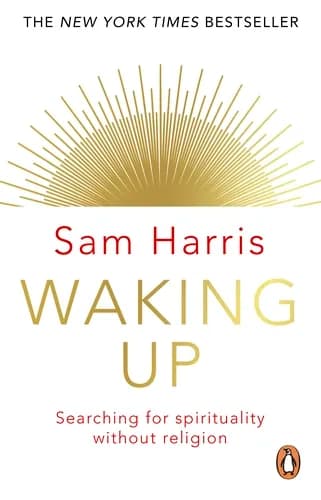
We wouldn't attempt to meditate, or engage in any other contemplative practice, if we didn't feel that… — Sam Harris
We wouldn't attempt to meditate, or engage in any other contemplative practice, if we didn't feel that something about our experience needed to be improved. But here lies one of the central paradoxes of spiritual life, because this very feeling of dissatisfaction causes us to overlook the intrinsic freedom of consciousness in the present. As we have seen, there are good reasons to believe that adopting a practice like meditation can lead to positive changes in one's life. But the deepest goal of spirituality is freedom from the illusion of the self—and to seek such freedom, as though it were a future state to be attained through effort, is to reinforce the chains of one's apparent bondage in each moment.
Source: Wikiquote · CC BY-SA 4.0
More from this book
Happiness and suffering, however extreme, are mental events. The mind depends upon the body, and the body upon the world, but everything good or bad that happens in your life must appear in consciousness to matter. This fact offers ample opportunity to make the best of bad situations—changing your perception of the world is often as good as changing the world—but it also allows a person to be miserable even when all the material and social conditions for happiness have been met. During the normal course of events, your mind will determine the quality of your life.
p. 204
Consciousness is the one thing in this universe that cannot be an illusion.
p. 54
The conventional sense of self is an illusion—and [] spirituality largely consists in realizing this, moment to moment. There are logical and scientific reasons to accept this claim, but recognizing it to be true is not a matter of understanding these reasons. Like many illusions, the sense of self disappears when closely examined, and this is done through the practice of meditation.
p. 82
