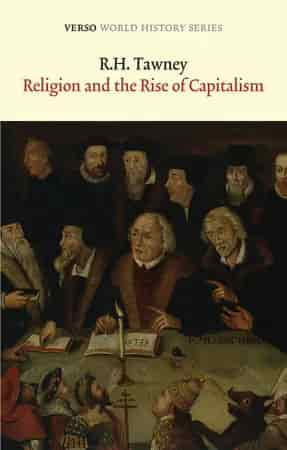
What in Calvin had been a qualified concession to practical exigencies appeared in some of his later… — R. H. Tawney
What in Calvin had been a qualified concession to practical exigencies appeared in some of his later followers as a frank idealization of the life of the trader, as the service of God and the training-ground of the soul. Discarding the suspicion of economic motives, which had been as characteristic of the reformers as of medieval theologians, Puritanism in its later phases added a halo of ethical sanctification to the appeal of economic expediency, and offered a moral creed, in which the duties of religion and the calls of business ended their long estrangement in an unanticipated reconciliation.
Source: Wikiquote · CC BY-SA 4.0
More from this book
A society which reverences the attainment of riches as the supreme felicity will naturally be disposed to regard the poor as damned in the next world, if only to justify itself for making their life a hell in this.
Mankind may wring her secrets from nature, and use their knowledge to destroy themselves.
Too often, contemning the external order as unspiritual, [the Puritan] has made it, and ultimately himself, less spiritual by reason of his contempt.