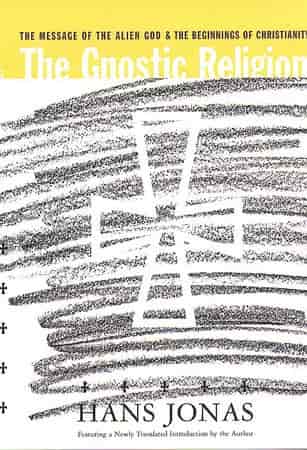
The Hermetic... mythological fantasy: not just a rejection of the physical universe in light of pessimsism… — Hans Jonas
The Hermetic... mythological fantasy: not just a rejection of the physical universe in light of pessimsism, but the idea of an entirely new idea of human freedom, very different from the moral conception of... the Greek philosophers... However profoundly man is determined by nature... there still remains an innermost center which is not of nature's realm and by which he is above all its promptings and necessities. ...It is the first time in history that the radical ontological difference of man and nature has been discovered and the powerfully moving experience of it given expression... This rift between man and nature was never to close again, and protesting his hidden but essential otherness became in many variations an abiding theme in the quest for truth concerning man.
Source: Wikiquote · CC BY-SA 4.0
More from this book
In the Mandaean literature, it is a standing phrase: life has been thrown into the world, light into darkness, the soul into the body. ...Ejected into the world, life is a kind of trajectory projecting itself forward into the future.
The ontological relation of Sophia and is best expressed in the statement "the Sophia is called ',' the Demiurge, 'soul' "... For the rest, we meet in the Demiurge of the Valentinians... traits of the world-god... his ignorance first... which in the first place relates to things above him. These, including his mother, remain entirely unknown to him; but also considering his own fashioning beneath himself he "is unthinking and foolish, and knows not what he does and effects"... which permits his mother to slip her own designs into what he believes he does on his own. On his ignorance then is based the second major trait which he shares with the general gnostic conception of the Demiurge: the conceit and presumption in which he believes himself to be alone and declares himself to be the unique and highest God.
The purity of their substance, the perfection of their circular motion, the unimpededness with which in thus moving they follow their own law, the incorruptibility of their being and the immutability of their courses—all these attributes make them in the sense of Greek philosophy "divine"... eminence of being. Among these constancy of being and immortality of life are paramount. Divine, therefore, are the stars, primarily not by their action but by the rank which they occupy in the hierarchy of things according to their immanent properties. And these are just the properties of order, eternity, and harmony which constitute the "cosmos" character of the All in general: this they represent most purely and completely. ...Beyond this ideal significance, their perfection is also the real guarantee of the duration of the whole, i.e., of the eternity of cosmic movement and life. Thus they are the most powerful assurance which the Greek affirmation of the world had been able to conceive.