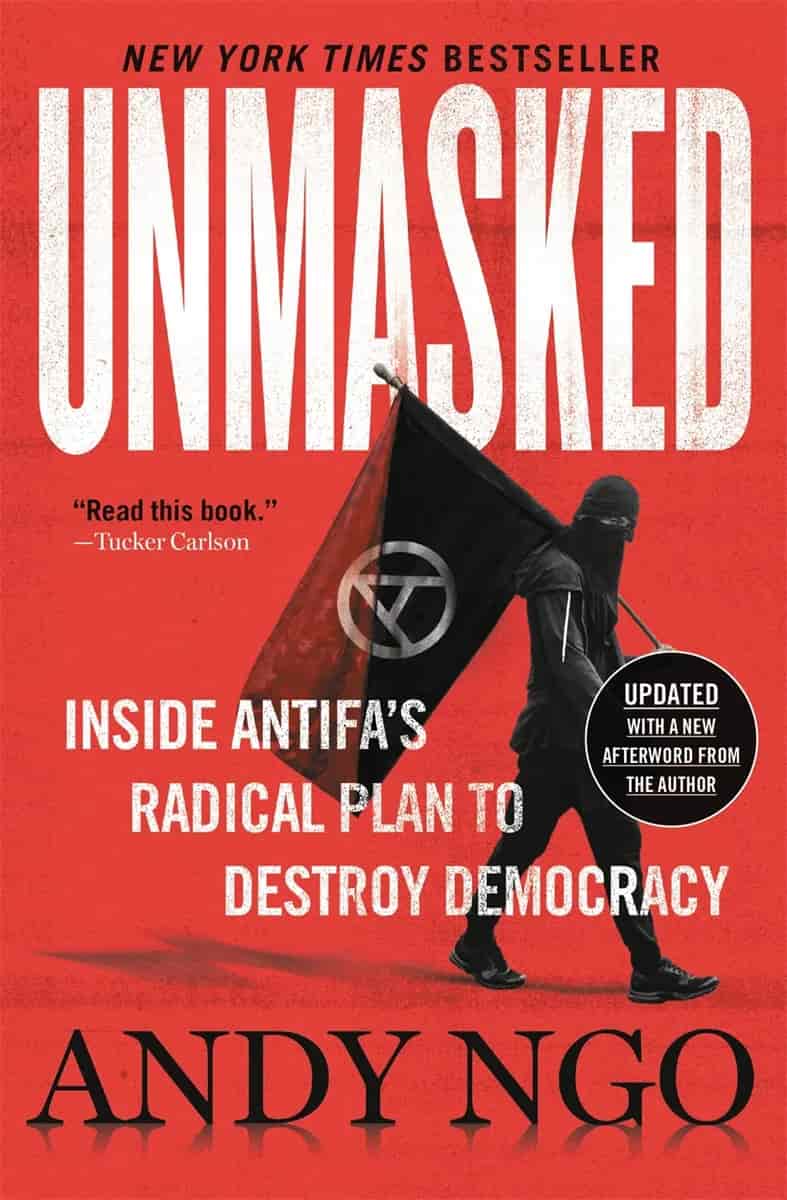
[T]he Youth Liberation Front (YLF), the antifa group in Portland that took the lead in organizing riots, used… — Andy Ngo
[T]he Youth Liberation Front (YLF), the antifa group in Portland that took the lead in organizing riots, used ‘cyberswarming’ to coordinate real-world direct action. Cyberswarming is the act of calling online followers to a real-life location or event. Antifa traditionally use it to immediately mobilize a crowd against people they perceive to be ideological threats. But in 2020, they were using it to direct people to locations to riot.
p. 54Source: Wikiquote · CC BY-SA 4.0

More from this book
Every use of force by officers, whether it be tear gas, smoke, pepper balls, or arrests, was heavily scrutinized. Out-of-context video snippets were released on social media and published by news outlets, generating mass rage and universally negative press for law enforcement and the Trump administration. The officers were called ‘Trump’s gestapo,’ ‘storm troopers,’ and ‘thugs’ by Democratic politicians and the media.
p. 63
Despite what was happening before our eyes, left-wing politicians and media denied antifa played a role. House Judiciary Committee chairman Jerrold Nadler (D-NY) called the movement ‘imagery’ during a congressional debate. And even though the public could plainly see masked militants openly planning and carrying out riot operations, we were still told there is ‘no evidence’ of organized antifa. ‘Who caused the violence at protests? It wasn’t antifa,’ declared one gaslighting Washington Post ‘fact-checker’ analysis, for example.
p. 5
One glaring blind spot in the mainstream media coverage of CHAZ was how the space gave platform to violent extremist ideologies. Reports about CHAZ’s political agenda focused shallowly on ‘racial justice’ and ‘defunding the police’ rather than its explicit calls to kill cops and overthrow the government. Hundreds of graffiti messages and images lined the zone showing dead pigs wearing police hats.
p. 39